
An investigation claims that Russian spy satellites are helping Yemen’s Houthi rebels and other Iran-backed groups hit Saudi Arabia’s oil and military sites. These attacks have damaged important infrastructure and raised concerns about global energy supplies.
What the investigation found
A Geneva-based company called AURORAH GeoSignal Intelligence studied 40 missile and drone attacks on Saudi Arabia. The attacks happened between July 1 and October 19, 2026. They were carried out by Houthis from Yemen and militias from Iraq.
In every single case, the company found the same pattern. Russian government and military satellites watched the target areas for days before the attacks and again afterward.
Nawaf Obaid, the founder of AURORAH, said the match between satellite movements and the strikes was 100 percent. His team tracked Russian satellites such as Bars-M mapping satellites, Persona optical satellites, and others that collect radar and electronic information. They used open-source data and other sources to follow the satellites’ paths.
Obaid said the key point is not just that the satellites were there. It is how Russia combined different types of intelligence (optical pictures, radar, and electronic signals) in a coordinated way.
The company has not intercepted actual messages sent to Iran or the Houthis. Instead, it shows a clear pattern of Russian satellites focusing on the exact places that were later attacked.
Key examples of the attacks
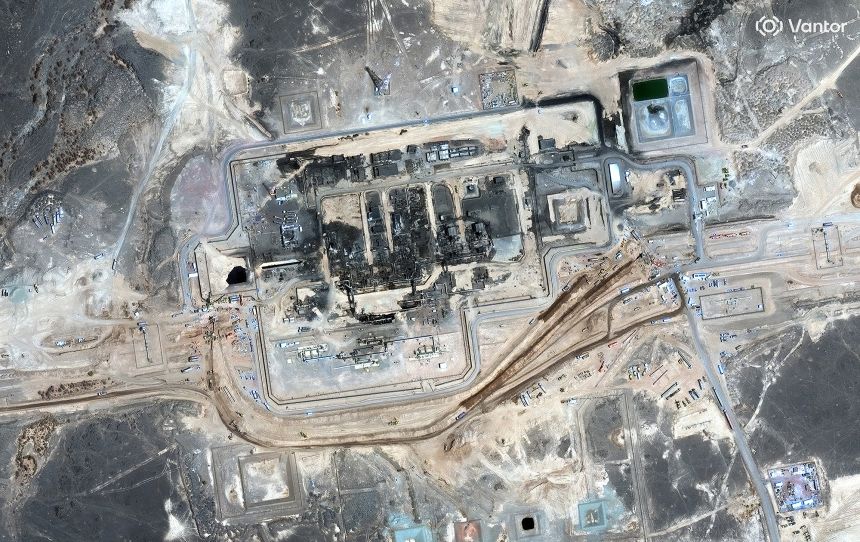
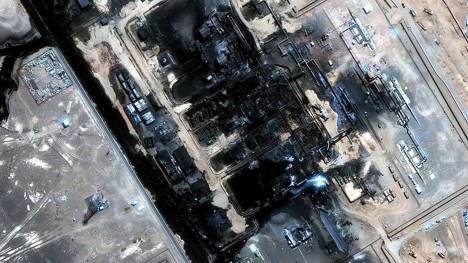
One major attack happened on September 10. Drones from Iraq hit three important pumping stations on Saudi Arabia’s East-West oil pipeline. This long pipeline moves oil across the country to the Red Sea. Hitting the stations stopped the oil flow for a time. Russian satellites had been watching those exact sections of the pipeline for weeks before the strike.
About a week later, the Houthis attacked King Fahd Air Base in Taif. They damaged hangars and an Italian fighter jet that was parked there. Russian satellite activity over the base also increased sharply in the days around the attack.
Houthis have also claimed attacks on other places, including oil facilities, airports in Riyadh and Dammam, and military sites. Some of these strikes caused deaths and injuries. One attack on Riyadh’s main airport killed at least 12 people and wounded hundreds.
Who is saying what
Saudi officials have spoken about the issue. Rayed Krimly from the Saudi Foreign Ministry said Iran and the Houthis receive intelligence from Russia and China. He added that Saudi Arabia talks regularly with both countries about this.
Three sources, including a Saudi official and a senior Houthi figure, told the Associated Press that Houthis and other Iranian allies have benefited from Russian intelligence. Iranian advisers on the ground help analyze the information and pass it to the fighters.
Russian officials have not commented on the claims.
Military analysts note that the findings show a pattern but do not prove Russia is deliberately handing over targeting data for each strike. There are different possible ways the information could reach Iran and the Houthis.
Why the Houthis are so strong now
The Houthis seized large parts of Yemen, including the capital Sanaa, in 2014. They took control of big government weapons stocks. They also received training, weapons, and support from Iran. Groups like Hezbollah from Lebanon and some Iraqi militias have shared fighting experience with them.
During a period of relative calm from 2022 until earlier this year, the Houthis used the time to build up their forces. They improved their missiles and drones. They can now hit targets far away, including in Saudi Arabia.
Analysts say the Houthis have also learned how to find parts on black markets and assemble weapons themselves.
How Saudi Arabia is responding
Saudi Arabia and its allies have shot down many Houthi missiles and drones. They have also carried out air strikes on Houthi targets inside Yemen, destroying launchers, tunnels, and supply lines.
Yemeni government forces, backed by Saudi Arabia, have launched a counteroffensive called “Operation Yemen Dawn” to try to take back territory.
Still, analysts say Saudi Arabia is struggling. Air strikes alone are not enough without strong ground forces that are willing to advance and take losses. The Saudi-backed side in Yemen remains divided and less organized than the Houthis.
Some experts note that even though Saudi Arabia has spent heavily on advanced weapons, it has not always used them effectively against a group that fights more like guerrillas.
Wider meaning
All these incidents show that conflict in Yemen is not just a local fight, its bigger regional and global conflict because of Iranian backing and Russian support through intelligence.
Access to better satellite intelligence makes precise long-range attacks easier. It demonstrates that in coming times intelligence behind weapons will be more important than weapons itself.
The fighting continues, with both sides striking each other. Saudi Arabia is trying to protect its energy sites and cities while also supporting the Yemeni government against the Houthis.