
ASELSAN’s EJDERHA high-power electromagnetic counter-drone system successfully neutralized unmanned aerial threats during Turkey’s Ateş Serbest-2026 military exercise, demonstrating the growing role of directed-energy and electronic warfare technologies in modern air defense.
The system was demonstrated alongside ASELSAN’s GÖKBERK laser weapon system during the exercise, which showcased the capabilities of Turkish-developed defense technologies against emerging aerial threats, including kamikaze drones. The demonstrations highlighted two different approaches to countering unmanned aerial vehicles (UAVs): high-power electromagnetic effects and laser-based engagement.
Held at the General Nahit Şenoğul Firing and Exercise Area in Polatlı, Ankara, Ateş Serbest-2026 brought together elements of the Turkish Land, Naval and Air Forces, as well as Special Forces. The exercise was designed to demonstrate the firepower, operational capabilities and effectiveness of systems in the Turkish Armed Forces’ inventory.
How ASELSAN’s EJDERHA Counters Drone Threats
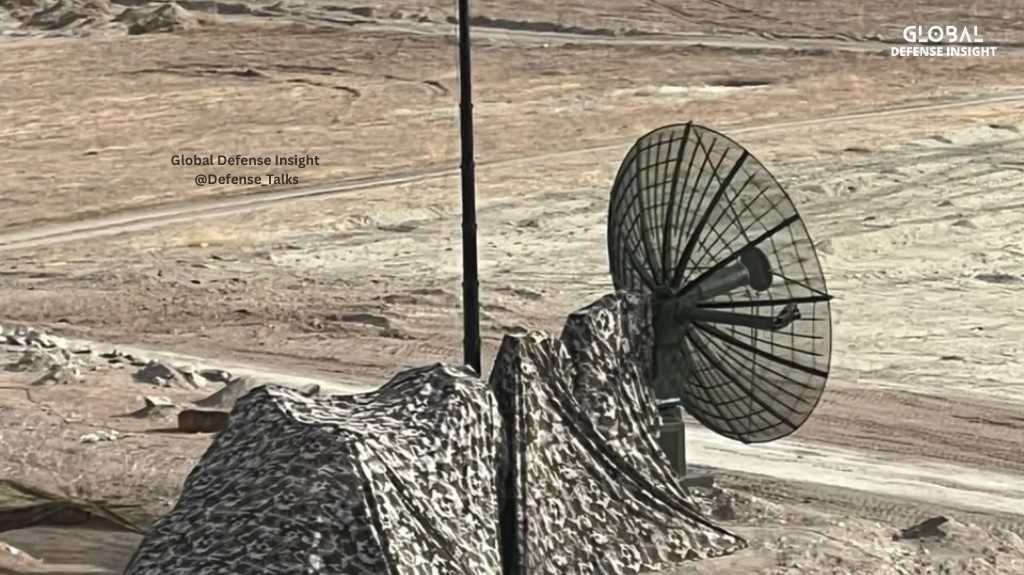
EJDERHA is a high-power electromagnetic (HPM) counter-unmanned aerial system developed by ASELSAN. Rather than relying on conventional interceptor missiles or gunfire, it directs electromagnetic energy toward the electronic components of targeted drones to disrupt or damage their onboard systems.
The system combines radar-based detection, electro-optical target tracking and a precision-directed electromagnetic effect. Depending on the target and engagement conditions, this effect can disrupt electronic circuits, interfere with operation or render a drone inoperable. Its electromagnetic approach is particularly relevant to the challenge posed by multiple drones operating simultaneously or in coordinated swarms.
By targeting a drone’s electronics rather than physically intercepting it with a projectile, EJDERHA represents an alternative approach to countering unmanned threats. Its performance during Ateş Serbest-2026 underscores the importance of incorporating non-kinetic and directed-energy capabilities into layered air-defense architectures.
GÖKBERK and EJDERHA Demonstrate Complementary Capabilities
The exercise also featured ASELSAN’s GÖKBERK laser weapon system, which uses directed laser energy to engage aerial threats. While GÖKBERK is designed to deliver a physical effect against a target through laser energy, EJDERHA focuses on disrupting or damaging electronic systems through high-power electromagnetic emissions.
The two systems illustrate how different technologies can contribute to a layered counter-drone defense architecture. Such capabilities are increasingly relevant as armed forces face a wider range of threats, from small commercial quadcopters and first-person-view (FPV) drones to loitering munitions and coordinated unmanned attacks.
Both systems form part of ASELSAN’s broader portfolio of technologies associated with Türkiye’s ÇELİKKUBBE, or Steel Dome, integrated air-defense architecture. The wider portfolio includes radar, electronic warfare, conventional air-defense weapons and other counter-UAV systems intended to address threats at different ranges and operational levels.
Significance for Counter-UAV Operations
The demonstration at Ateş Serbest-2026 highlights Türkiye’s continued development of indigenous technologies intended to address the evolving threat posed by unmanned systems.
High-power electromagnetic systems offer a different engagement mechanism from conventional air-defense weapons and may be particularly valuable when countering multiple electronic-dependent drones. However, their effectiveness depends on factors including target design, electronic protection, engagement geometry and operating conditions.
The integration of electromagnetic systems such as EJDERHA with laser weapons, surveillance sensors and conventional air-defense assets could give military forces a broader range of options for defending critical infrastructure, military installations and deployed formations against unmanned aerial threats.
ASELSAN’s demonstration at Ateş Serbest-2026 therefore represents another public showcase of Türkiye’s efforts to strengthen its layered counter-drone and air-defense capabilities.

Umair Aslam is the Founder and Chief Executive Officer (CEO) of Global Defense Insight. He has worked as a defense journalist reporting on military modernization programs, defense industry, arms procurement, and emerging technologies.