
Türkiye supplied a limited number of ASELSAN KORKUT air defence systems to Ukraine earlier in 2026, where Ukrainian forces have reportedly tested the systems against Russian aerial threats, according to a report by Middle East Eye.
The publication, citing several people familiar with the matter, said Ukraine had received a small number of Turkish-made KORKUT systems as Kyiv continues to expand its short-range air defence and counter-unmanned aerial vehicle capabilities.
The number of systems delivered and their deployment locations were not disclosed.
According to Middle East Eye, the systems have been used against aerial threats associated with Russia’s continuing strike campaign, including unmanned aerial vehicles and other low-altitude targets.
One Ukrainian official quoted by the publication said the KORKUT system had performed effectively during operational use.
“Korkut has been pretty much successful in countering the Russian attacks,” the official said, adding that some issues encountered during deployment could be addressed through relatively minor adjustments.
The official further described the system as effectively battle-proven and indicated that Ukraine could consider acquiring additional units depending on pricing and procurement conditions.
“If the pricing is right, we would like to buy more,” the official was quoted as saying.
Table of Contents
ToggleASELSAN KORKUT and Counter-UAS Operations
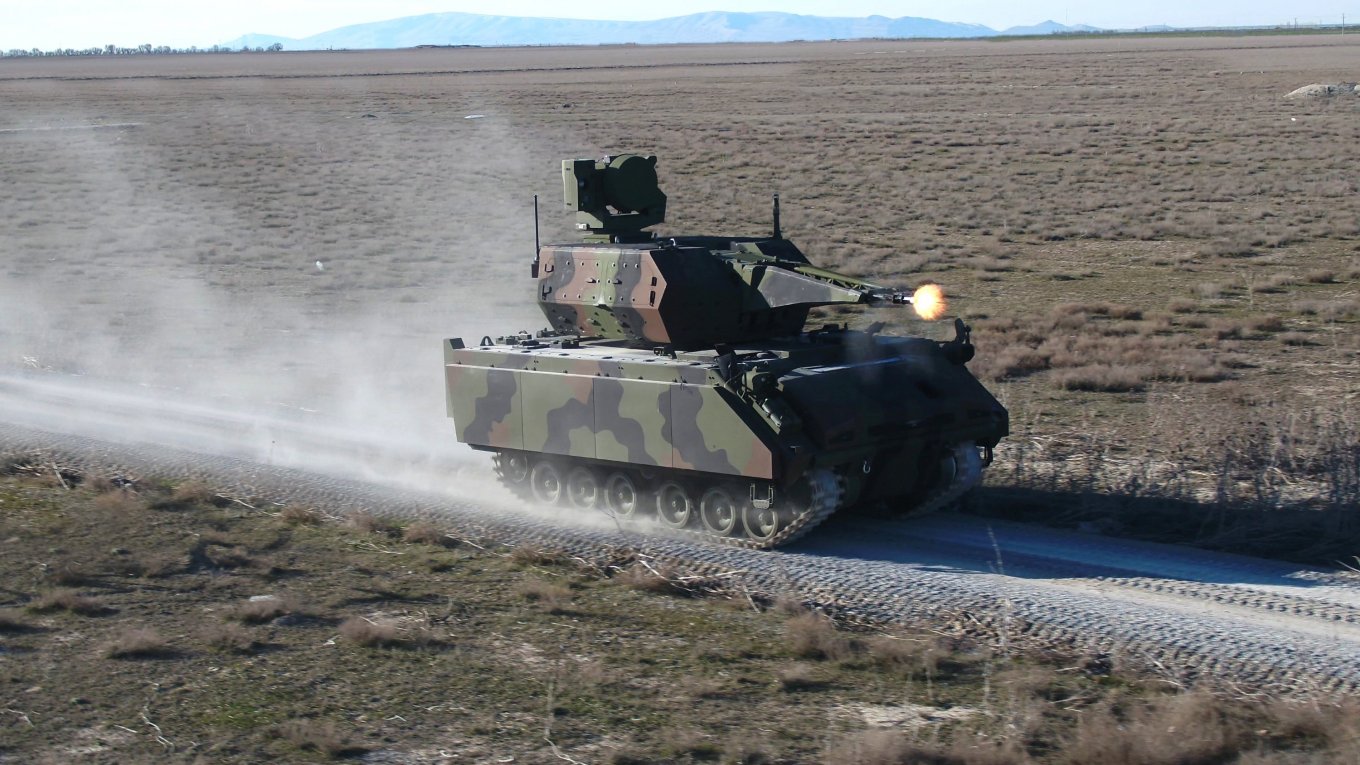
Developed by Turkish defence electronics company ASELSAN, the KORKUT family is designed to provide mobile, short-range air defence against a range of low-altitude threats.
The system is intended to protect maneuvering formations and critical infrastructure against aircraft, helicopters, unmanned aerial vehicles and other airborne threats.
KORKUT configurations combine fire-control, command-and-control and gun-based interception capabilities, allowing the system to operate as part of a layered air defence architecture.
Its role has become increasingly relevant as modern conflicts demonstrate the growing operational impact of relatively inexpensive drones, loitering munitions and other low-flying aerial systems.
Operational use in Ukraine, if confirmed, would provide ASELSAN with significant battlefield feedback from one of the world’s most heavily contested air defence environments.
KORKUT Export Footprint Expands
ASELSAN President and CEO Ahmet Akyol recently said KORKUT systems were operational in nine countries and indicated that additional export agreements were expected.
“We will announce new KORKUT export contracts in coming days,” Akyol said in remarks cited by Middle East Eye.
The publication previously reported that Saudi Arabia and Qatar had signed agreements to procure KORKUT 100/25 air defence systems, while Iraq had also shown interest in the platform.
The reported Ukrainian deployment would further expand the international operational footprint of ASELSAN’s gun-based air defence solutions.
Türkiye-Ukraine Defence Cooperation
Türkiye and Ukraine have maintained extensive defence-industrial cooperation throughout the Russia-Ukraine war.
Turkish-made Bayraktar TB2 unmanned combat aerial vehicles gained significant attention during the early phases of the conflict, while cooperation between Turkish and Ukrainian defence companies has continued across multiple technology areas.
Middle East Eye reported that several Turkish defence firms have also been working with Ukrainian forces to evaluate weapons and defence systems under operational conditions, allowing manufacturers to incorporate battlefield experience into future product development.
Türkiye has simultaneously maintained diplomatic and economic channels with both Ukraine and Russia while supporting Ukraine’s territorial integrity.
Neither ASELSAN nor the Turkish government was cited in the Middle East Eye report as publicly confirming the reported KORKUT deliveries to Ukraine.
The reported transfer therefore remains based on Middle East Eye’s sourcing and statements attributed to unnamed officials and individuals familiar with the matter.