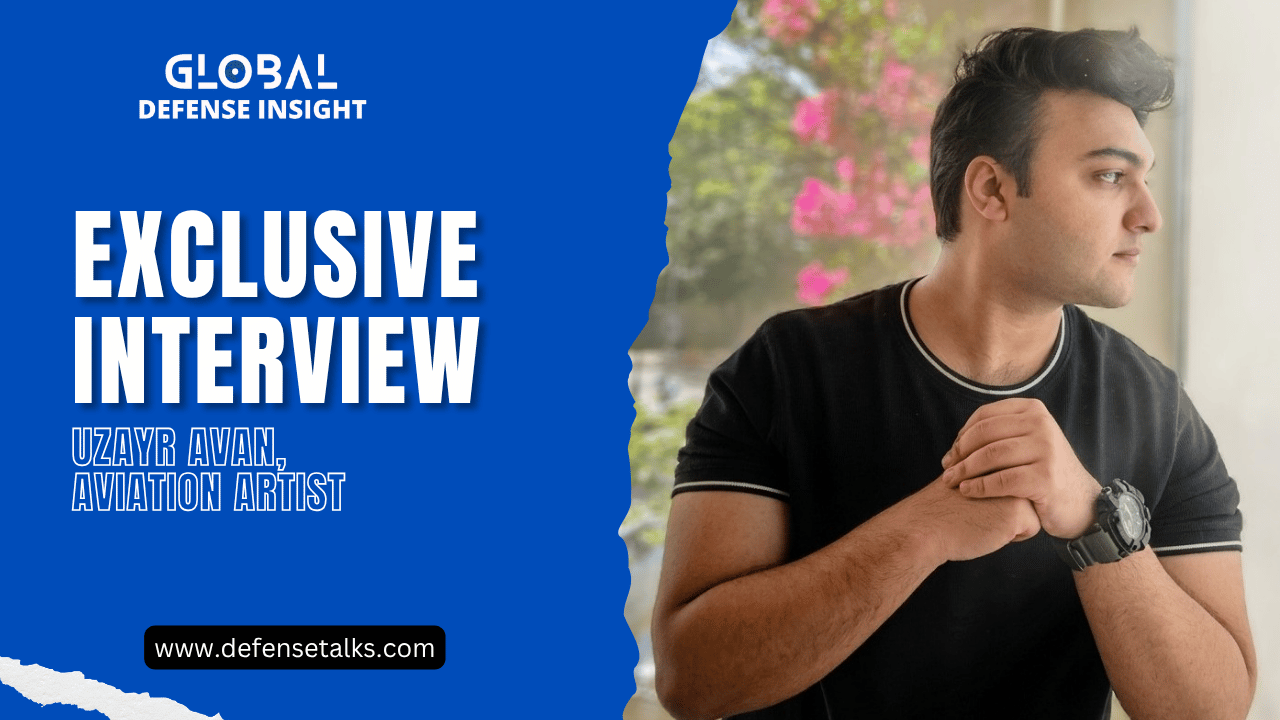

In the evolving world of military aviation art and defense-themed visual design, a new generation of digital artists is redefining how aerial power, squadron identity, and military culture are visually represented. Among these emerging names is Uzayr Avan, professionally known as Zahri Aeroart, whose work has gained recognition across international aviation and defense circles for its distinctive blend of technical accuracy, aggressive visual storytelling, and modern vector artistry.
In this exclusive interview, Global Defense Insight (GDI) speaks with Uzayr Avan about his journey from creating artwork on a mobile phone to becoming an internationally recognized aviation artist with more than 1,200 patch designs, fighter jet artworks, and military illustrations created for armed forces and aviation units worldwide. The conversation explores his artistic evolution, the role of mentorship, challenges within the digital art space, and his long-term vision for aviation-inspired military artwork.
I started with nothing but a mobile phone and my fingers. No stylus, no proper apps just zooming in and tracing lines again and again until it looked right. It was slow, frustrating, but I was hooked on aviation so I kept going.
At that time I didn’t even know what makes a patch “correct.” I was just making what looked good to me. Later more and more i was digging i started realizing I was missing both tools and science behind patch production. So I worked in a cellphone factory, saved money, and bought a PC. That changed everything.
From there, it was just consistency work all day, come home, and keep designing at night. Slowly, I started getting noticed, then small opportunities, then international clients. It wasn’t sudden at all it was built step by step over the years.
2. How did your early challenges—particularly the lack of tools and technical knowledge—shape your artistic approach and discipline?
Honestly, those struggles helped me more than anything else. When you’re drawing with your finger, you can’t rely on shortcuts you have to build control and patience.
I made a lot of mistakes early on because I didn’t understand things like embroidery or PVC limits or color restrictions. But those mistakes stayed with me. Once I learned the technical side, I started designing smarter, not just better looking.
It also built discipline. I was already used to putting in extra effort just to keep up, so even after getting proper tools, that mindset never left.
3. You mentioned the role of mentorship in your growth. How did your mentor influence your transition into specialized aviation vector art?
My mentor changed the direction of my work completely. Before him, I was just experimenting. He made me think seriously about where I could stand out. He motivated me, Cheered me,
He’s the one who pushed me toward aviation vector art as a niche. At that time, I didn’t see it but he did. And he was right.
More than that, he never let me settle. Even when I improved, he would point out flaws and push me further. That kind of honest guidance is rare, and it played a big role in where I am now.
4. What motivated you to focus specifically on aviation patches, and how did you identify this niche within Pakistan’s defense art landscape?
Aviation was always my interest a gift from my father, so that part was natural. But the real decision came when I realized almost no one here was doing high-level aviation patch design properly in Pakistan except my mentor.
There were designs, but not many that combined accuracy, creativity, and production understanding. That gap stood out to me.
So instead of doing everything, I focused on one thing and tried to get really good at it. I started studying squadron culture, and how patches actually get made. That focus is what helped me grow.
5. Rejection is a recurring theme in creative careers. How did you transform setbacks from top-tier artists and squadrons into opportunities for growth?
I got rejected a lot in the beginning and to be fair, most of those rejections were justified. My work just wasn’t there yet.
Instead of getting discouraged, I started comparing my work with top artists. Not copying but understanding what made theirs better.
Every rejection showed me the gap. And once you see the gap clearly, you know what to fix. Over time, that gap got smaller. It’s ok we get rejected at every phase of our life, it’s part of the process not full stop and process of learning never stop.
6. Designing for formations like the Sherdils must have been a milestone—what did that moment mean for you personally and professionally?
That was the moment where it felt real. Getting the Sherdils patch approved was one thing but seeing it actually produced and worn by pilots was something else.
When I visited PAF Academy and saw it in real life, it hit differently. All those nights of work, all the struggle it felt worth it in that moment.
Professionally, it gave me credibility. But personally, it gave me belief that I could actually do this at a serious level. later that concept of Aerobatic team adapted by Saudi Hawks and Al Fursan UAE and many others.
7. Having created over 1,000 patches for international clients, how do you maintain consistency while adapting to different military cultures and requirements?
I follow a consistent process in how I design composition, clarity, and making sure it actually works as a patch.
But every client is different. Different countries, different traditions, different symbols. So before designing, I try to understand what matters to them.
It’s about balancing my style with their identity. If you ignore either side, the design doesn’t feel right.
8. How do you see the perception gap between traditional and digital art within the defense community, and how are you working to bridge it?
The gap is real. Some people still see digital work as “cartoonish” or less serious.
I don’t argue with that, It’s just a generation gap, I just focus on the work. If the design is strong, detailed, and meaningful, people eventually respect it regardless of the medium.
For me, even a “cartoon style” isn’t something simple it’s still an artist building something from nothing. Over time, I think that mindset is slowly changing. But i still need to keep working and wait…
9. Your work has been featured in DGPR PAF content and reached senior military leadership—how has this recognition impacted your career trajectory?
It definitely adds weight to your work. When your designs reach that level, people take you more seriously.
But it also raises expectations. You can’t afford to go backwards you have to keep improving.
For me, it’s not something to get comfortable with. It’s more like a reminder that I still have bigger goals ahead.
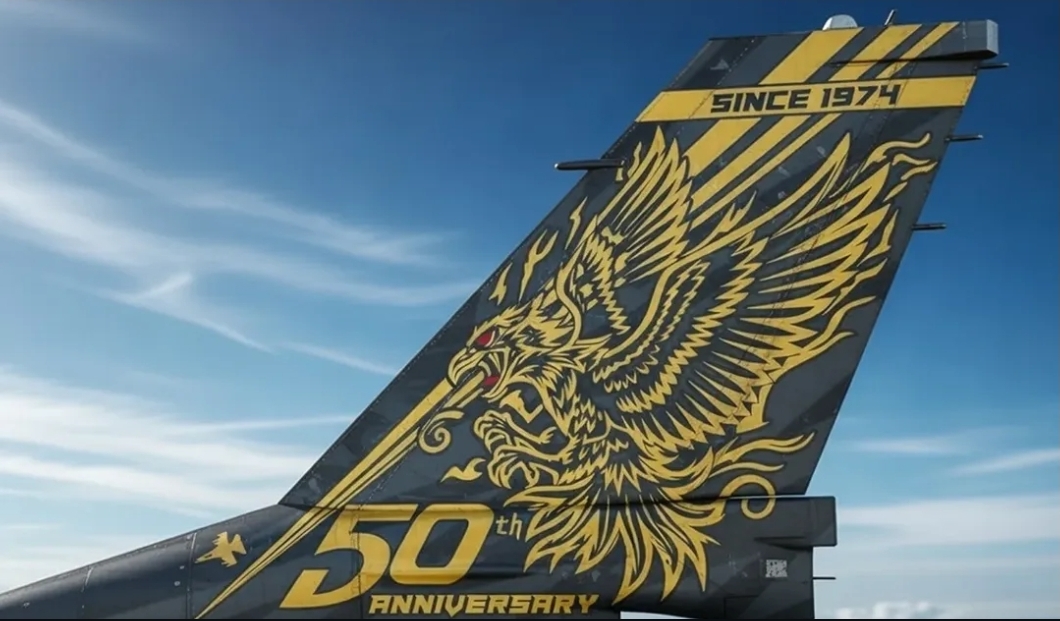
10. Looking ahead, what does designing tail art for operational aircraft represent for you, and how does it align with your long-term vision as an aviation artist?
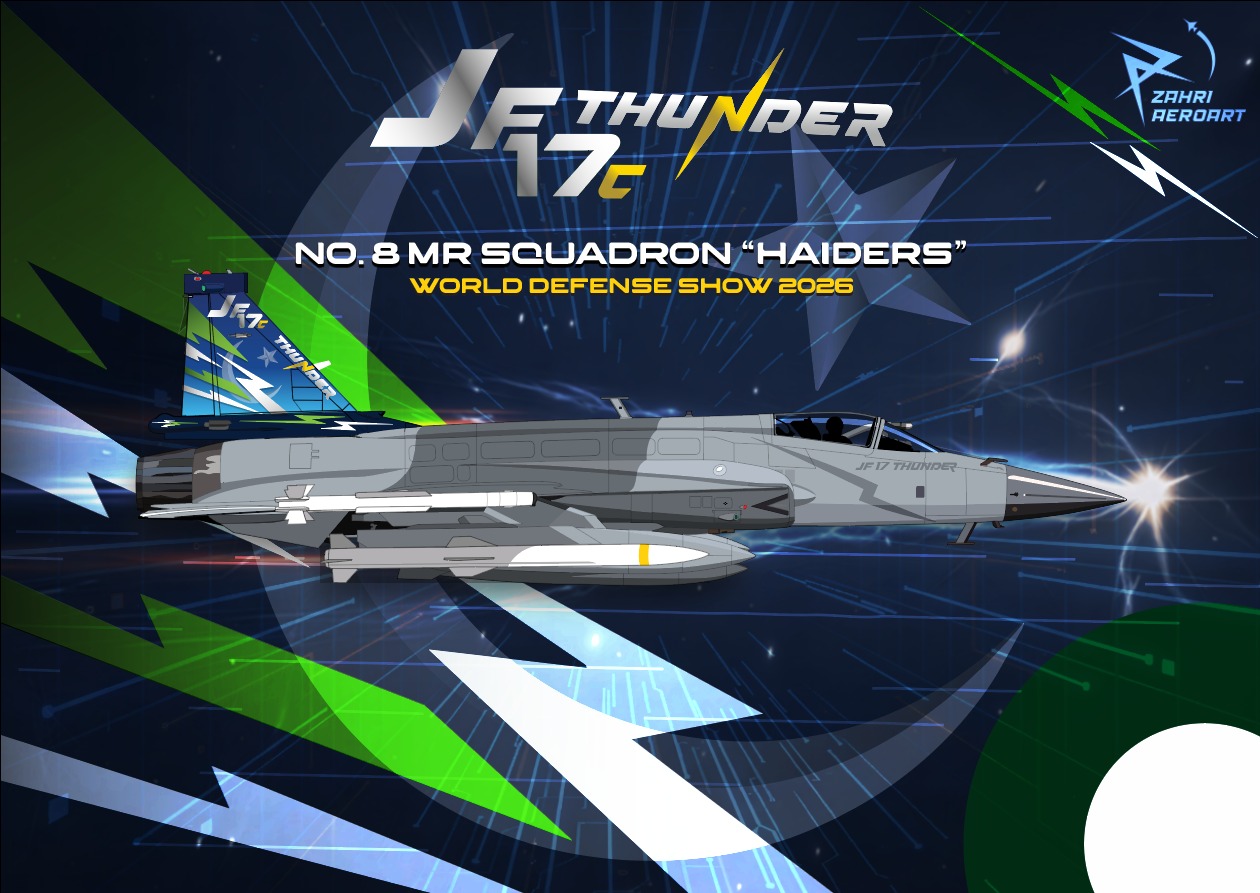
Tail art is the next level. A patch is something worn but tail art becomes part of the aircraft itself.
For me, that would mean reaching a level of trust and recognition where your work is literally flying.
I’ve come close a few times, but I’m not in a rush. My whole journey has been about timing and consistency. I know if I keep going, that moment will come too.