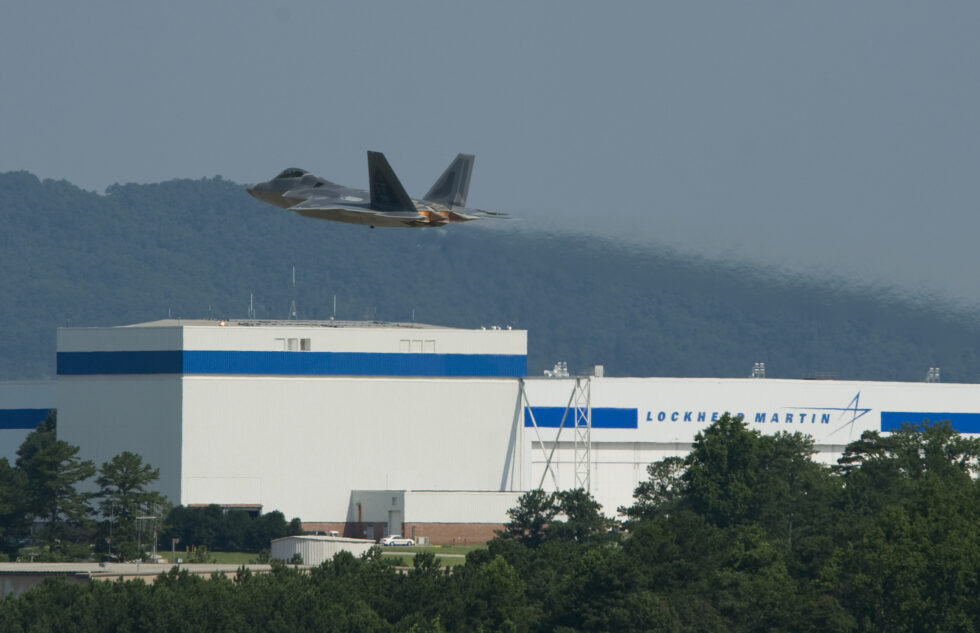

Lockheed Martin and NioCorp Developments Ltd. have signed a non-binding memorandum of understanding covering the potential supply of U.S.-produced scandium for advanced defense and aerospace applications.
Under the proposed agreement, Lockheed Martin could purchase up to 15 metric tons of scandium oxide annually from NioCorp over a 10-year period. The material could be supplied either as scandium oxide or in the form of aluminum-scandium alloys.
The memorandum builds on an existing joint development program between NioCorp and Lockheed Martin’s Skunk Works division. The program is focused on developing scandium-based aluminum alloy components for modern fighter aircraft and other advanced defense technologies.
The two companies have agreed to negotiate a definitive agreement in good faith. However, the memorandum remains non-binding, and there is no assurance that a final contract will be reached.
Table of Contents
ToggleSupporting a Domestic Scandium Supply Chain
NioCorp plans to produce approximately 100 metric tons of scandium oxide annually from its Elk Creek Critical Minerals Project in Nebraska once financing is secured and construction is completed.
The company currently produces a 4% aluminum-scandium master alloy in the United States using scandium oxide sourced from the commercial market.
NioCorp also intends to manufacture finished aluminum-scandium alloy ingots with scandium concentrations ranging from 0.2% to 0.8% for customers in the commercial and defense sectors.
The proposed arrangement with Lockheed Martin is intended to support the development of an integrated U.S. supply chain extending from domestic mineral production to finished materials for military and aerospace applications.
Scandium can significantly improve the strength, weldability, corrosion resistance and fatigue performance of aluminum alloys when used in relatively small quantities. These characteristics make aluminum-scandium alloys attractive for aircraft structures and other systems requiring lightweight, high-performance materials.
Lockheed Martin Evaluates NioCorp’s Scandium Capabilities
Tyler Robinson, vice president of Technology Roadmaps at Lockheed Martin Skunk Works, said the company values partnerships that strengthen the U.S. industrial base and support the needs of American warfighters.
“Lockheed Martin has long valued partnerships that strengthen the U.S. industrial base and support our warfighters,” Robinson said.
“We appreciate the work NioCorp is doing to establish a domestic source of scandium oxide, as well as the company’s aluminum-scandium alloying capabilities, and we look forward to continuing to evaluate that supply as part of our broader alloy development efforts.”
Lockheed Martin has not disclosed which aircraft, components or defense programs could eventually use materials supplied under a definitive agreement.
Any future supply arrangement would depend on technical evaluations, commercial negotiations, production readiness and the completion of NioCorp’s Elk Creek project.
Pentagon-Funded Development Program
The memorandum follows the launch of a joint development effort announced in October 2025 involving NioCorp and Lockheed Martin Skunk Works.
The program is supported by a $10 million U.S. government award to NioCorp subsidiary Elk Creek Resources Corp. under Title III of the Defense Production Act.
The initiative is designed to support the development of scandium-based aluminum alloy components for modern fighter aircraft while helping establish a domestic scandium mine-to-master-alloy supply chain.
Defense Production Act Title III funding is commonly used to expand domestic industrial capacity for materials and technologies considered important to national security.
Reducing Dependence on Foreign Critical Minerals
NioCorp CEO and Chairman Mark A. Smith said the proposed partnership reflects the growing importance of scandium to the U.S. defense industrial base.
“Both companies recognize how important scandium has become to the future of American defense technology, as well as the imperative of establishing a domestic scandium mine-to-warfighter supply chain,” Smith said.
“NioCorp is already investing to build out this supply chain as rapidly as possible, including the ability to make aluminum-scandium master alloy today.”
The United States currently has limited domestic scandium production and processing capacity. Expanding local supply has become increasingly important as the U.S. government seeks to reduce its dependence on foreign sources of critical minerals used in military platforms, electronics, aerospace systems and advanced manufacturing.
The Elk Creek project is expected to produce scandium alongside other critical minerals, subject to financing, construction and regulatory requirements.
Potential Benefits for Defense and Aerospace Manufacturing
Aluminum-scandium alloys can provide improved mechanical performance while maintaining the low weight associated with conventional aluminum materials.
Potential benefits include:
- Greater structural strength
- Improved resistance to corrosion
- Enhanced weldability
- Increased fatigue resistance
- Reduced component weight
- Improved manufacturing flexibility
These properties could support the development of lighter and more durable aircraft structures, potentially improving payload capacity, range, fuel efficiency and service life.
The technology may also have applications in unmanned aircraft, missiles, spacecraft, naval systems and other defense platforms requiring high-strength lightweight materials.
The proposed Lockheed Martin-NioCorp agreement could therefore represent an important step toward integrating domestically produced scandium into the U.S. defense manufacturing base.
Agreement Remains Non-Binding
The memorandum does not establish a guaranteed purchase commitment.
Both companies will continue negotiations covering potential pricing, delivery schedules, material specifications, qualification standards and production requirements.
NioCorp emphasized that there is no assurance a definitive agreement will be reached or that any final agreement will include the full volume contemplated under the memorandum.