
Saudi Arabia’s Vision 2030 is reshaping the Kingdom’s defense industry, with a growing emphasis on local manufacturing, technology transfer, workforce development, and long-term industrial partnerships. As the country works to strengthen its domestic defense capabilities, collaboration between government institutions, Saudi industry, and international defense companies is becoming increasingly important to building a sustainable industrial base.
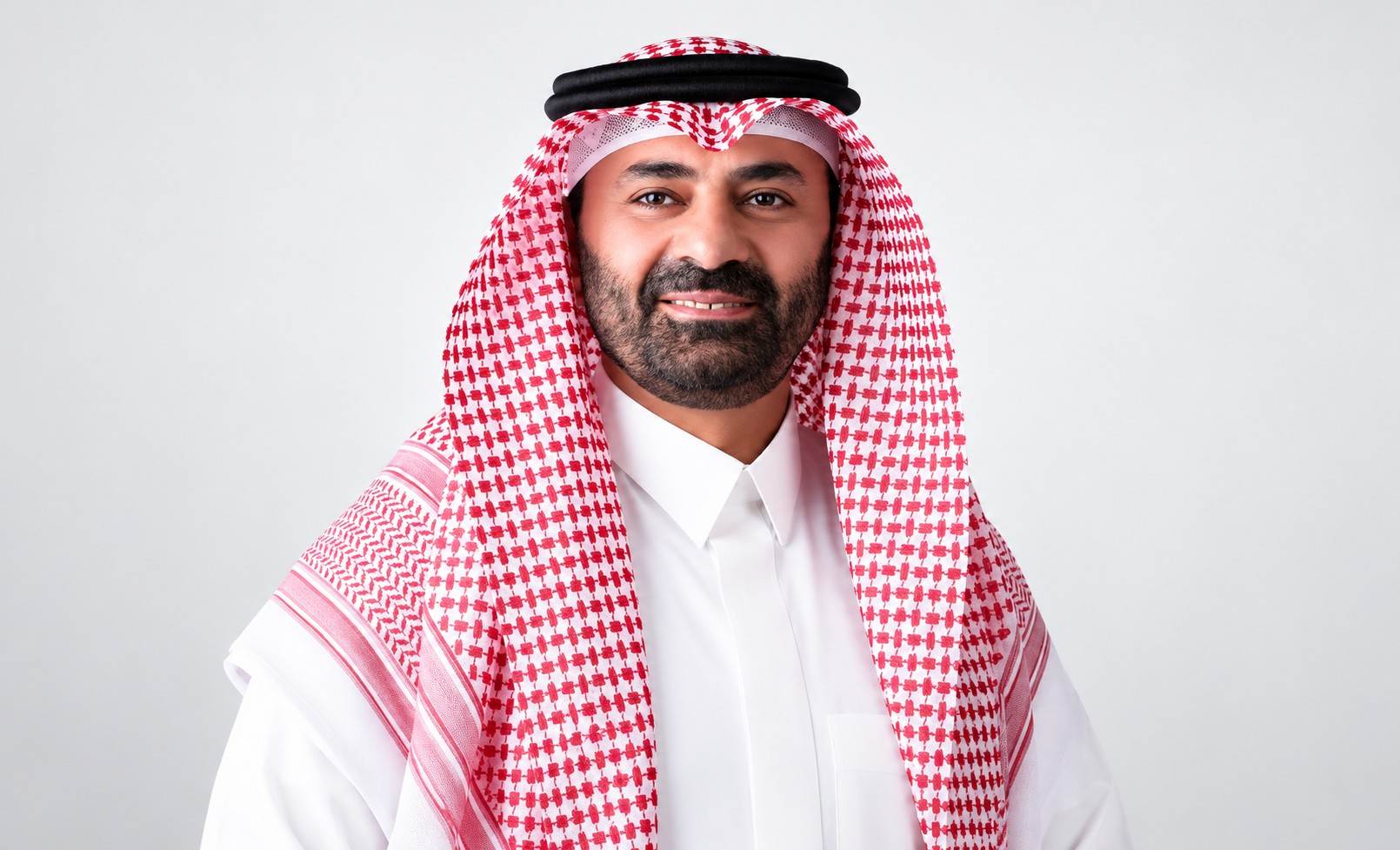
In an exclusive interview with Global Defense Insight (GDI), Major General (Ret.) Yahya EbenZahem, Senior Advisor, Hanwha Aerospace, discusses Saudi Arabia’s evolving defense landscape and the practical steps required to achieve meaningful defense localization. Drawing on nearly four decades of leadership and advisory experience across the public and private sectors, he shares his perspectives on technology transfer, international industrial partnerships, Hanwha Aerospace’s role in the Saudi market, and the future of defense industry development across the Gulf Cooperation Council (GCC).
Q1. How do you assess the transformation of Saudi Arabia’s defense industry under Vision 2030?
The transformation is remarkable, particularly when viewed against the inherent complexity of building a defense industrial base. What stands out is that Saudi Arabia did not stop at setting ambitious localization targets under Vision 2030; it also established an integrated institutional ecosystem to help turn those targets into practical outcomes.
The General Authority for Military Industries (GAMI) provides the regulatory and enabling framework for the sector, while the General Authority for Defense Development (GADD) plays a key role in advancing and supporting defense research, development, and innovation. At the industrial level, Saudi Arabian Military Industries (SAMI) was established as a national industrial champion. At the same time, the Kingdom has continued to encourage Saudi private-sector participation and to create opportunities for international companies and investors to contribute to the national defense industrial base.
This integrated approach is one of the defining features of the Saudi model. Building a defense industry is never an easy or short-term undertaking. It requires institutions, regulation, investment, technology, qualified people, industrial partners, and, most importantly, consistent implementation over time. Saudi Arabia has created much of this enabling environment, and the next phase is about deepening capabilities and converting localization objectives into enduring national industrial and technological capacity.
Q2. What are the most important factors required to achieve meaningful and sustainable defense localization in the Kingdom?
The most important factor is continuing to strengthen integration and alignment among all stakeholders in the defense ecosystem, supported by direct communication, flexibility, and streamlined procedures. At the center of that ecosystem must be the military operator and the operational requirement.
I deliberately prefer the term “operator” rather than “end user.” Philosophically, I believe that “end user” can imply that the relationship ends once a system has been delivered. In defense, it should be the opposite. The manufacturer and the operator need a continuous relationship. The manufacturer must understand how the system is actually employed, the operational challenges encountered in the field, and how requirements evolve. That continuous interaction is what enables industry to develop, adapt, and manufacture solutions that respond precisely to real operational needs.
Of course, this relationship alone is not sufficient. Lasting localization also requires an effective local supply chain, qualified and reliable industrial partners, appropriate infrastructure, realistic technology transfer, and, critically, the development of a sustainable pool of Saudi engineers, technicians, operators, and managers.
When these elements work together, localization becomes more than local assembly or a numerical target. It becomes an enduring national capability that supports operational readiness, security of supply, and the continued growth of the Kingdom’s defense industrial base.
Q3. How can Saudi companies and international defense firms build stronger long term industrial partnerships?
Saudi Arabia’s clear defense priorities and strong commitment to localization have made it an increasingly important market for international defense companies seeking long-term partnerships. But accessing a major market and building a lasting industrial presence within it are two very different things.
For many international defense companies, establishing manufacturing or long-term industrial operations in Saudi Arabia will be considerably more effective with the right Saudi industrial partner. A capable local partner brings much more than market access. It understands the Saudi business environment and local culture, has established infrastructure and networks, can help navigate operational requirements, and can reduce both establishment and operating costs for the international partner.
The international company, in turn, brings technology, engineering expertise, manufacturing know-how, quality systems, and experience developed through global programs. When these strengths are genuinely combined with Saudi infrastructure, management, workforce, and local market knowledge, the partnership can create value for both sides.
The key is to select partners on the basis of capability and strategic fit, not simply convenience. A successful partnership should have a clear business case, defined responsibilities, mutual investment, and a shared interest in developing durable local capability.
Q4. What makes Saudi Arabia an important market for Hanwha Aerospace and its wider regional strategy?
Saudi Arabia’s significance extends well beyond defense expenditure alone. It is one of the largest countries in the Middle East geographically and one of the largest economies in the region, has substantial human capital, and is investing heavily in both present and future national capabilities.
Its geographic position matters just as much. The Kingdom sits at the crossroads of Asia, Africa, and Europe and is connected to some of the world’s busiest trade and supply routes. Its extensive Red Sea and Arabian Gulf coastlines, major ports, airports, and land connections give it significant potential as a regional industrial, logistics, and business hub.
For these reasons, Saudi Arabia has become an increasingly important market for international companies across many sectors. For Hanwha Aerospace, the Kingdom represents an important opportunity to build a lasting presence close to its customers and partners, understand their requirements directly, develop local industrial relationships, and support the broader objectives of Vision 2030. The establishment of Hanwha Aerospace’s MENA Regional Headquarters in Riyadh is a clear step in that direction.
Q5. Which Hanwha Aerospace technologies or capabilities could be particularly relevant to Saudi Arabia’s future defense requirements?
Before discussing individual technologies, I believe there is a broader lesson that may be even more relevant to Saudi Arabia: the South Korean industrial experience itself.
Within a relatively short period in historical terms, South Korea progressed from being heavily dependent on imported defense systems to developing a sophisticated domestic defense industry capable of designing, manufacturing, sustaining, and exporting advanced systems. That transformation did not occur through technology acquisition alone. It was supported by long-term national planning, investment in human capital, close cooperation between government, the armed forces, research institutions, and industry, and a sustained commitment to developing indigenous capability.
There are, of course, important differences between every country, and no model should simply be copied. Nevertheless, I believe there are meaningful parallels between the path South Korea has taken and the objectives Saudi Arabia is pursuing under Vision 2030. This creates an opportunity for cooperation that goes beyond individual products.
Hanwha’s capabilities across air defense, precision fires, land systems, aerospace, sustainment, and related technologies may be relevant where they align with requirements formally identified by the competent Saudi authorities. But the greater opportunity, in my view, is to combine appropriate technologies with the experience, industrial processes, training, and enduring partnerships that helped build lasting capability in Korea.
Q6. How can Hanwha Aerospace support Saudi localization through technology transfer, local production, training, and industrial cooperation?
Hanwha Aerospace has shown clear openness to supporting the objectives of Saudi Vision 2030 and has already taken positive steps toward establishing a long-term presence in the Kingdom, most notably the opening of its MENA Regional Headquarters in Riyadh.
That decision represents more than the establishment of a regional office. Being physically present in Saudi Arabia allows a company to remain closer to its customers and partners, understand their operational and industrial priorities more accurately, respond more effectively, and build the local relationships required for durable cooperation.
From that foundation, localization can be developed progressively in accordance with specific program requirements and the applicable approvals and agreements, including the export control regulations of both countries. Depending on the program, potential areas of cooperation could include local production or assembly, maintenance and lifecycle support, development of Saudi suppliers, training of engineers and technicians, knowledge and technology transfer, and cooperation with Saudi industrial and research institutions.
The key point is that localization should not be approached as a one-time contractual obligation. It should create capability that remains in the Kingdom and continues to develop. Hanwha’s long industrial experience in Korea, combined with a permanent presence in Saudi Arabia and strong local partnerships, can provide a useful basis for supporting that objective.
Q7. Looking toward 2030 and beyond, how do you expect the Saudi and broader GCC defense markets to evolve?
I expect continued long-term growth and maturation of the defense industry in Saudi Arabia and across the GCC. Governments in the region are placing increasing emphasis not only on acquiring advanced defense capabilities, but also on developing the national industrial, technological, and human capacity required to support them.
This is a significant shift. As countries establish the institutions, regulations, research capabilities, industrial infrastructure, supply chains, and human capital needed for defense manufacturing, the market increasingly moves from straightforward procurement toward industrial development and strategic partnership.
Saudi Arabia is particularly notable because Vision 2030 has placed localization within a broader national economic and industrial transformation. Similar ambitions, although differing in scale and approach, can also be seen elsewhere in the GCC. I therefore expect international defense companies to be assessed increasingly not only on the performance and price of their products, but also on their willingness and ability to establish a meaningful local presence, transfer knowledge, develop national talent, strengthen supply chains, and provide reliable lifecycle support.
The precise requirements and pace of development will naturally remain sovereign decisions for each country. But the overall direction is clear: the region is seeking stronger national capability and greater industrial resilience, and I expect that trend to continue well beyond 2030.
Disclaimer: The views expressed in this interview are those of Major General (Ret.) Yahya EbenZahem in his personal capacity and do not necessarily reflect the official positions of Hanwha Aerospace, any Saudi government entity, or any other organization.