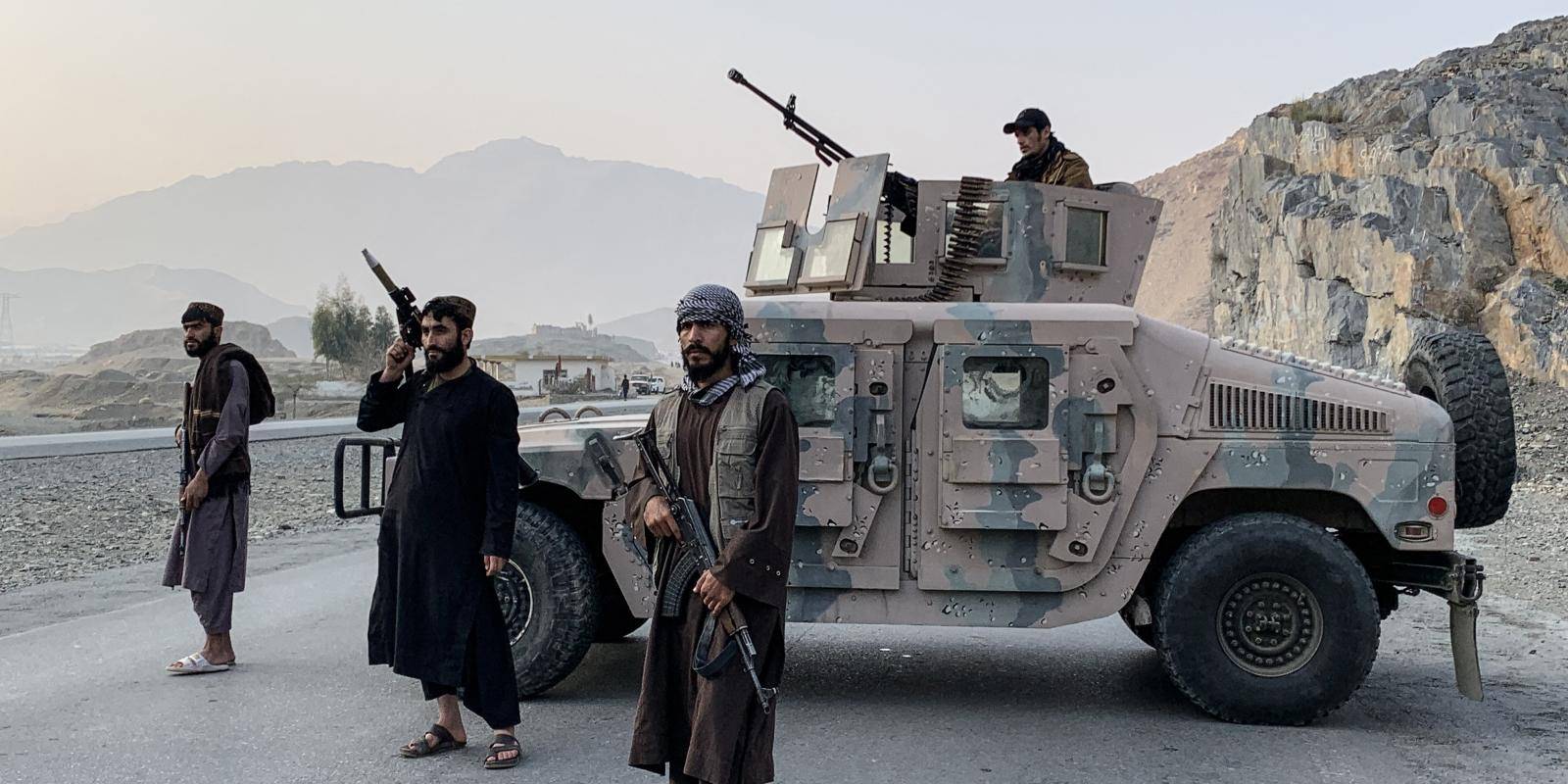

The recent cross-border airstrikes by Pakistan into Afghanistan were one of the most severe escalations since the Taliban came back to power in 2021. Pakistan has been bombing key cities of Afghanistan such as the capital Kabul and other cities. The situation between Pakistan and Afghanistan has been tense over months primarily due to the fatal clash in October where over 70 individuals lost their lives on both sides which subsequently transformed the situation into a military conflict. According to Al-Jazeera , Pakistan initiated air attacks on Kabul, Kandahar and other Afghanistan cities. Attaullah Tarar, the federal minister of information and broadcasting in Pakistan, alleged that the attacks on Friday in Kabul, Paktia and Kandahar killed 133 Afghan Taliban officials and injured over 200 with additional potential casualties.(The Guardian) In one of his posts on X, the defense minister, Khawaja Mohammad Asif, indicated that Pakistan had wished that peace would prevail in Afghanistan following the withdrawal of Nato troops and that the Taliban would concentrate on the well being of the Afghan people and the stability of the region. Rather, he asserted that the Taliban had assembled militants worldwide and started exporting terrorism. “Our patience has now run out. Now it is open war between us. Pakistan has defended its strikes by saying that it is a national security measure as state have the right to protect themselves against non-state actors who are threatening their sovereignty. Although Pakistan justifies its actions as a necessary counterterrorism operation, the escalation of military operations will only contribute to the instability instead of solving it.
The stance of Pakistan is based on an old grievance. Ever since the Afghan Taliban took over the control of Kabul, Islamabad has accused Afghan authorities severally of letting the Tehreek-e-Taliban Pakistan (TTP) re-establish itself and attack in various parts of the Durand Line. The re-emergence of the TTP has led to fatal attacks on Pakistani security forces and civilians, especially in Khyber Pakhtunkhwa and Baluchistan. To the military leadership of Pakistan, cross-border strikes seem to be a deterrence signal a message that they will not be allowed to seek refuge across the border.
Pakistan claim that its action against Afghanistan is not an act of aggression but a right of self-defense as per the international law. The Article 51 of the UN granted rights to state of self-defense in case any armed attack was made. It is not only a political problem, but it is also entrenched in the system of international legal standards and State Sovereignty. In the recent years, Pakistan has accused the Afghan Taliban government of failing to stop TTP militants to operate Afghan soils. In the eyes of Pakistan, when a neighboring state is either not willing or not capable of stopping its territory to be used to launch attacks, the victim state retains the right to neutralize the threat. This interpretation is based on the changing state practice in counterterrorism activities across the globe. Other states that have been facing non-state actors that operate across borders have made similar arguments.
This framing is however highly rejected by Afghanistan. The Taliban government in Kabul has demanded that the airstrikes by Pakistan are against the sovereignty of Afghanistan and the international law. According to Afghan officials, cross-border operations destabilize the region and kill civilians.Al-Jazeera
The question is because the airstrikes have the ability to kill militants, eliminate camp but will it eliminate the source of terrorism, it may reduce the tension in the short run, but it may not eliminate the problem in the long run. Regional Diplomacy is the only positive way out. The two neighboring states are still in negotiation in order to ease the tension between them. The Taliban’s Foreign Minister have discussed with Saudi Foreign Minister the negotiation to resolve the military escalation with Pakistan and to discuss how to de-escalate the crises using regional diplomacy.
The ongoing crisis between Afghanistan and Pakistan is indicative of a more fundamental structural crisis regarding the manner in which sovereignty and security can be reconciled in a region. Although Pakistan uses Article 51 of the United Nations Charter to defend its right of self-defense against cross-border attacks, long-term stability cannot be based on military actions. Airstrikes can help prevent immediate threats, but they fail to remove the mistrust that contributes to the repetitive crises.
The only thing that is required is a parallel diplomatic track one that focuses on intelligence coordination, border control, and third-party facilitation. Positive mediation, possibly by parties that have a stake in both Islamabad and Kabul, would offer both governments a face-saving way out to de-escalation. In the absence of such interaction, the retaliation cycle may become entrenched in a long-term conflict along the Durand Line, which will damage the security and economic opportunities of the region.
After all, the right of self-defense is a legal right, whereas peace is a political accomplishment. The decision facing the two states is whether to remain on a course of reactive force or engage in a structured dialogue that will turn a security dilemma into a chance of stabilizing the region.