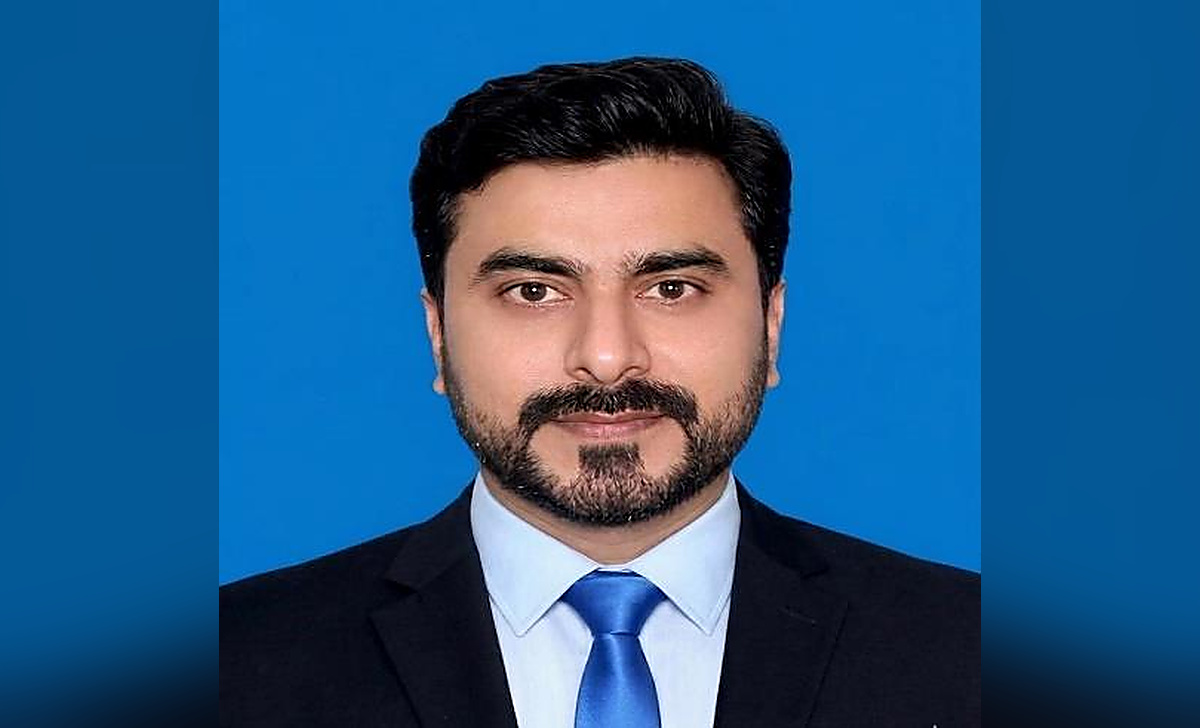

Pakistan’s evolving diplomatic role in US-Iran relations has brought renewed attention to Islamabad’s position in Middle Eastern geopolitics. In an exclusive interview with Global Defense Insight (GDI), Dr. Shahid Ali, Assistant Professor of International Relations at Lahore College for Women University, examines Pakistan’s potential as a mediator between Washington and Tehran, highlighting its diplomatic relationships with major regional powers, strategic interests, and the challenges of navigating competing geopolitical priorities.
Speaking with Sheeza Razzaq, Dr. Ali discusses the obstacles to a lasting US-Iran settlement, the economic implications of regional conflict for Pakistan, and the strategic significance of Islamabad’s defense relationship with Saudi Arabia. He also assesses the durability of Pakistan’s improving ties with Washington, the importance of maintaining diplomatic neutrality, and the risks Islamabad must manage while facilitating dialogue between the United States and Iran.
Table of Contents
ToggleWhy did Pakistan become acceptable to both Washington and Tehran, other than another mediator, and what did it contribute beyond passing messages?
Pakistan has emerged as a strong mediator mainly because of its ties with all the key players. It has strong relations not only with Washington and Tehran but also with Saudi Arabia, a major actor in the Middle East, where it has significant maritime and trade interests. Pakistan also has the backing of China, which makes its position more credible for both sides.
Among other factors, Pakistan’s reported victory against India in May 2025 boosted its image on the world stage and improved its ties with the US leadership. This is especially true of the image of COAS Asim Munir, whom Trump has reportedly called “his favourite man.”
Geography also helps. Pakistan shares a border with Iran and has good economic and security ties with other Gulf states. These ties let it present itself as a reputable mediator, and they show that Pakistan won’t be biased or undermine the interests of the Gulf.
How do Pakistan’s border with Iran, its Shia population, and its defence pact with Saudi Arabia constrain its room to manoeuvre as a mediator?
Pakistan’s defence pact with Saudi Arabia is not aimed at Iran. Pakistan, Saudi Arabia and Turkish officials have already made this clear. In my opinion, these pacts are directed more against Israel, so they can’t be regarded as anti-Iran.
Sharing a border with Iran doesn’t constrain Pakistan, even though it does have its own sensitivities. In fact, the Shia border encourages Pakistan to play the role of mediator. Its security and national interest are at stake, so joining the US or the Saudi camp would have had severe consequences for its national security and stability. Instead of joining one side, Pakistan chose to present itself as a mediator. The factors behind that choice are the ones mentioned in the question, and in my opinion none of them restrain Pakistan from playing this role.
The same goes for the current Saudi-Houthi conflict. The pact is not against any of these states but against Israel. It is true that the agreement says an attack on one would be considered an attack on all, but the agreement is still in its initial stages, so anticipating too much this early would be wrong. That is why Pakistan, Saudi Arabia and Turkey have shown a measured response and haven’t blamed each other.
The April ceasefire and Islamabad Talks were followed by a June MoU that later collapsed. What are the main structural obstacles to a lasting US-Iran settlement?
The main structural constraint is the deep-rooted mistrust between the two actors. The US overemphasizes certain demands, for example pushing Iran to unilaterally accept the US version of the agreement. There is also the issue of how the agreement is represented, as neither party is ready to paint itself as the one that was defeated in the war. Both want to call themselves the victor, because admitting defeat would have serious domestic consequences. In the US, it could hurt Trump’s party in the upcoming elections. In Iran, it would cause backlash from the public. These domestic and trust factors are what keep the agreement from succeeding. On top of that, the US wants nuclear inspections, while Iran is not ready to accept them. Iran also wants to keep control of the Strait of Hormuz, to impose taxes and to restrict free navigation.
How has the war affected Pakistan’s economy, energy security, and Gulf remittances, and can mediation bring compensating strategic or economic gains?
The war has had very severe consequences for Pakistan. Fuel prices and inflation have risen, and not only energy security but also food security has been compromised. The economy as a whole has suffered because of this conflict. Pakistan is a net importer of energy, so it now has to buy energy at the highest prices, which is hurting its balance of payments, a chronic issue for the last 15-16 years.
At the same time, Pakistan is getting some positive outcomes from the current situation. Its role as a mediator has enhanced its image abroad and improved its ties with the Gulf states, which helps it counter India’s growing influence there. So Pakistan is getting both advantages and disadvantages from the recent conflict.
Is Pakistan’s closer relationship with the current US administration a durable shift or a temporary convergence?
We cannot say that Pakistan’s current closeness with the US is permanent. It remains to be seen how the next government will prioritize its interests in the region and what its policy will be. Trump himself is very unpredictable, so nothing can be claimed about this beforehand.
What would a realistic role for Pakistan look like if talks resume, and what risks should Islamabad guard against?
The talks are already underway behind closed doors. At the UNGA especially, representatives of both states were present, and Qatari and Pakistani mediators are already helping facilitate the talks. As for the role Pakistan would play, it would be the same one it has been playing since Feb 2026, bridging the negotiations between these two states, where mistrust is acute. Pakistan needs to close the trust deficit between Tehran and Washington, and while doing that, it must be careful not to send any message that shows bias towards either side.
In my opinion, Pakistan’s recent pact with Saudi Arabia would boost its confidence and help it play this role more confidently. Its main concern is not to overstretch itself or get dragged into the conflict.