
Polska Grupa Zbrojeniowa S.A. and Anduril Industries have announced a cooperative agreement to establish localized production of surface-launched Barracuda-500M cruise missiles in Bydgoszcz, Poland, marking a major step in Poland’s effort to expand long-range precision strike capacity and strengthen NATO’s eastern flank.
The agreement was announced during a signing event attended by Polish Prime Minister Donald Tusk and Minister of National Defence Władysław Kosiniak-Kamysz. Under the arrangement, PGZ subsidiary Wojskowe Zakłady Lotnicze Nr 2 S.A., known as WZL-2, will work with Anduril to produce thousands of Surface-Launched Barracuda-500M systems for the Polish Armed Forces.
The project is intended to create one of Europe’s first large-scale production lines for a new class of lower-cost, mass-producible long-range precision weapons. The move reflects a broader shift across NATO defense planning, where armed forces are seeking munitions that can be produced rapidly, fielded in large quantities, and replenished during high-intensity conflict.
Table of Contents
TogglePoland Expands Long-Range Strike Production Capacity
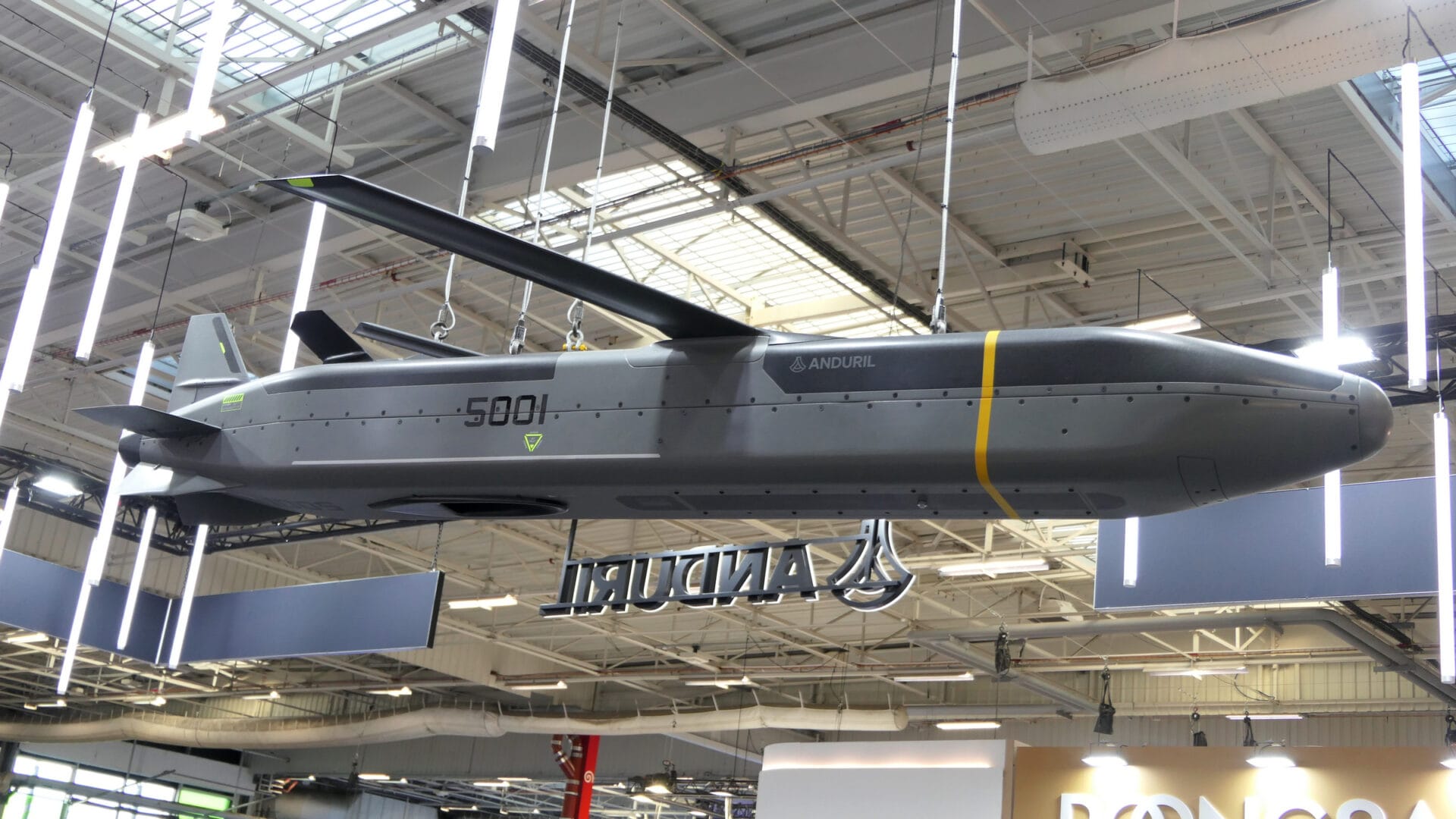
The Barracuda-500M is designed as a scalable long-range precision weapon with a simplified architecture, resilient supply chain, and common tooling to support high-volume production. The surface-launched variant offers a stated range of more than 500 nautical miles and carries a 100-pound munition payload. According to the announcement, the system is intended to engage a wide range of land and maritime targets.
For Poland, the agreement supports both military modernization and defense industrial expansion. Warsaw has sharply increased defense spending in recent years and continues to invest in air defense, artillery, armor, missile systems, and long-range strike capabilities amid heightened security concerns along NATO’s eastern border.
By locating production in Bydgoszcz, PGZ and Anduril aim to use an established industrial and logistics base with existing defense-sector infrastructure. The city is described in the announcement as the “NATO Capital of Poland” because of its concentration of military training, defense activity, and industrial support facilities.
PGZ Says Agreement Is a Breakthrough for Polish Defense Industry
Adam Leszkiewicz, President of the Management Board of PGZ, said the cooperation contract with Anduril represents a breakthrough for Poland’s national defense and defense industry. He said the partnership would allow PGZ and its American partner to produce and deliver several thousand low-cost, technologically advanced autonomous long-range cruise missiles within a short period.
Leszkiewicz added that the program opens a new area of equipment for the Polish Armed Forces and could attract interest from other markets. He said PGZ plans to involve additional companies within the Polish Armaments Group in the further development, adaptation, and integration of the missiles for Polish and wider European requirements.
Brian Moran, Anduril Vice President for Europe, said the future of deterrence depends on the ability of nations to produce advanced capabilities quickly, affordably, and in quantities sufficient to sustain combat operations. He said bringing Barracuda production to Poland with PGZ would help build a European industrial base capable of replenishing precision fires at operationally relevant speed.
Localization and European Supply Chain Development
The agreement builds on a memorandum of understanding announced in October and includes a phased plan to increase localization of the Barracuda supply chain. PGZ and Anduril said the goal is to include more Polish and European components over time, eventually making the Polish Barracuda a majority European-made and SAFE-compliant product.
This localization effort is significant for Europe’s defense reindustrialization agenda. NATO and European Union members are increasingly focused on expanding ammunition, missile, drone, air defense, and precision-strike production after the war in Ukraine exposed limitations in Western stockpiles and industrial surge capacity.
For Poland, domestic production of long-range cruise missiles would add another layer to its deterrence posture. The capability would complement ongoing investments in air and missile defense, rocket artillery, combat aircraft, armored platforms, and unmanned systems, while also strengthening Poland’s position as a central hub for NATO defense manufacturing and logistics in Eastern Europe.
Strategic Implications for NATO’s Eastern Flank
The production of thousands of Barracuda-500M missiles in Poland could provide NATO with a more scalable long-range strike option at a time when alliance members are reassessing the balance between high-end precision weapons and lower-cost systems that can be produced at volume.
Traditional long-range precision weapons are often expensive, complex, and produced in limited quantities. The Barracuda concept is positioned around affordability, rapid manufacturing, and simplified production, allowing armed forces to generate larger inventories for deterrence and sustained operations.
The Polish production line also signals a deeper defense-industrial partnership between Poland and the United States. While Poland continues to procure major American defense systems, including aircraft, tanks, air defense equipment, and missile systems, this agreement moves beyond acquisition toward local production and technology adaptation.
As the project advances, key areas to watch will include production timelines, integration with Polish command-and-control and targeting systems, potential export opportunities, European component localization, and the role of Barracuda within Poland’s wider long-range fires architecture.