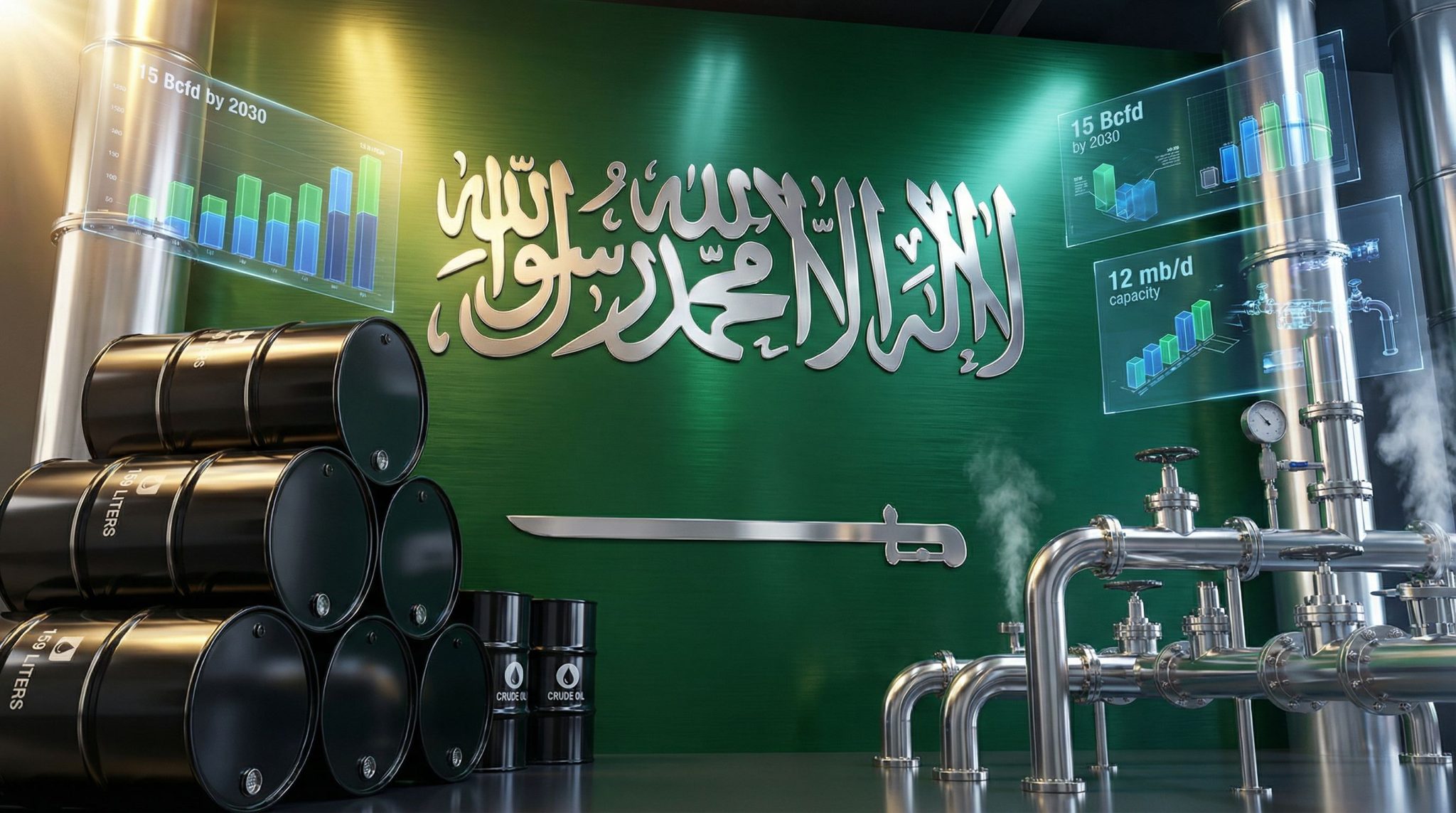

The Kingdom of Saudi Arabia is in the midst of one of the most important economic and geo-political transformations of the modern Middle East. Once characterized as a rentier oil state, the Kingdom is now proactively implementing a long-term plan to transition away from oil, and to transform into a multi-faceted economic and diplomatic entity. This is largely reflected in Vision 2030, unveiled in 2016 by Crown Prince Mohammed bin Salman. The shift is more than economic. It is part of a broader realignment of Saudi Arabia’s foreign policy, regional and international roles. In a global system characterized by energy transition, multi-polar competition, and regional polarization, Saudi Arabia is seeking to transform from an oil exporter to a regional power and global investment destination.
Vision 2030 as the Foundation of Economic Reorientation
Vision 2030 is at the heart of the plan for change. It seeks to diversify the economy away from oil revenues, build up non-oil industries and transform the economic structure of the country. In the past, oil revenues constituted a large part of the state’s revenue stream, and diversification is a structural requirement. The strategy aims to build on three pillars: a liveable society, a liveable economy and a liveable nation. Under the economic pillar, diversification is centred on the growth of tourism, logistics, manufacturing, technology and entertainment. A major institutional mechanism to implement this shift is the Public Investment Fund (PIF), now one of the world’s largest sovereign wealth funds.
The PIF is funding mega projects like NEOM, the Red Sea Project, and Qiddiya, and investing in other sectors like sports, technology and renewable energy abroad. Saudi Arabia has also made regulatory changes to facilitate foreign direct investment, such as amendments in ownership, visa and privatization programs. These changes aim to move away from public-sector jobs and promote private-sector engagement in economic development. Even with these changes, oil revenues still represent a major part of the state budget, indicating that diversification is an in-progress, structural adjustment.
Economic Diversification as Strategic Necessity
The diversification in Saudi Arabia is driven by global energy changes. The global shift towards renewable energy and carbon neutrality is a potential threat to oil economies in the long term. Although oil will continue to play an essential role, uncertainty about future oil demand has led to a rethink in the way Gulf economies develop. In this regard, a diversification plan in Saudi Arabia aims to secure economic sustainability. Growth in the non-oil GDP, the tourism sector and greater involvement in the global capital markets are all indicative of a structural shift.
Vision 2030 mega-projects aim to develop new economic clusters rather than diversify income sources. These initiatives require significant investments and long-term sustainability strategies, which could point to fiscal sustainability and efficiency challenges. The diversification agenda in Saudi Arabia is tied to global energy challenges. The growing emphasis on renewable energy and carbon neutrality threatens the future of oil economies. Despite oil’s continued importance to the global energy mix, uncertainty about future demand has led Gulf economies to reevaluate their economic strategies. In this regard, Saudi Arabia’s diversification plan aims to secure economic sustainability. Growth in the non-oil GDP, the tourism sector and growing integration with global capital markets are indicative of incremental diversification. Vision 2030 mega-projects are aimed at building new economic clusters rather than diversifying the economy. But such projects demand massive capital investment and long-term sustainability, posing risks over fiscal sustainability and efficiency.
Foreign Policy Re-calibration and Regional Engagement
Saudi Arabia’s diversification is tied to global energy trends. The world’s growing emphasis on renewable and carbon neutrality could threaten the future of oil economies. Although oil continues to play a vital role in the global energy market, rising uncertainty over future oil demand has led Gulf economies to re-evaluate their economic strategies. Against this backdrop, the diversification approach in Saudi Arabia aims to safeguard the economy. The growth in non-oil GDP, tourism and growing engagement with global capital markets demonstrate progressive changes in the country’s economic makeup.
Vision 2030 mega-projects are aimed at building new economic clusters rather than diversifying income sources. But such projects demand significant investment and long-term strategies for sustainability, which pose fiscal and efficiency challenges.
Multi-Alignment Strategy in Global Politics
Saudi Arabia’s pursuit of regional leadership is increasingly through economic and diplomatic means, rather than ideological or military. The Kingdom is increasingly involved in regional infrastructure and investment projects. Through the PIF and other bilateral deals, Saudi Arabia is emerging as a major investor in regional stability. Politically, it has engaged in conflict resolution and reconciliation efforts. This is part of a recognition that economic transformation can be hindered by regional instability. But Middle East leadership is contested – with actors such as Iran, Turkey and the United Arab Emirates (UAE) – pursuing their own power agendas. As a result, Saudi Arabia’s leadership is constrained by a competitive regional hierarchy.
Regional Leadership Through Economic and Diplomatic Tools
Despite these advances, there are structural issues with Saudi Arabia’s transformation. First, the economy is still highly dependent on oil revenue, suggesting that diversification is still evolving. Government budget remains oil-dependent. Second, the mega projects of Vision 2030 require significant financial and long-term planning, so questions must be asked about efficiency and value. Third, Middle East security challenges continue to impact economic strategies and investment. Regional security can impact economic development. Fourth, multiple international alliances need to be managed diplomatically to prevent geopolitical tensions with major powers. These challenges reflect the challenges of shifting from a rentier to a diversified economic and diplomatic strategy.
Structural Challenges and Limitations
Despite significant progress, Saudi Arabia’s transformation faces structural challenges. First, the economy remains heavily dependent on oil revenues, indicating that diversification is still in a transitional phase rather than a completed shift. Fiscal dependence on hydrocarbons continues to shape budgetary stability. Second, mega projects under Vision 2030 require sustained financial investment and long-term planning, raising concerns about implementation efficiency and return on investment. Third, regional instability in the Middle East continues to pose risks to economic planning and investor confidence. Security developments in neighboring states can have direct economic consequences. Fourth, balancing multiple international partnerships requires careful diplomatic management to avoid strategic friction between global powers. These constraints highlight the complexity of transforming a rentier state into a diversified economic and diplomatic power.
Conclusion: A Controlled but Ongoing Transformation
Saudi Arabia’s strategic re-branding represents a deliberate and structured attempt to redefine the Kingdom’s role in both regional and global politics. Through Vision 2030, economic diversification, and diplomatic re-calibration, the state is seeking to reduce structural vulnerabilities associated with oil dependency while enhancing long-term geopolitical relevance. The shift toward regional diplomacy, including engagement with Iran and other regional actors, reflects an understanding that stability is a prerequisite for economic transformation. Similarly, the adoption of a multi-alignment foreign policy demonstrates adaptation to an increasingly multi-polar global order. However, this transformation remains incomplete. Structural dependence on oil, regional instability, and implementation challenges continue to shape the trajectory of Saudi Arabia’s reforms. Ultimately, Saudi Arabia’s re-branding is best understood not as a completed transition, but as an ongoing state project one that seeks to balance economic modernization, regional leadership, and global integration in a rapidly evolving international environment.

Waqas Abdullah
Waqas Abdullah is a geopolitical analyst and anthropologist area of experties in Middle Eastern and Indo-Pacific politics. A Türkiye Bursları Scholar, he is pursuing a Master’s in International Relations at Selçuk University Konya ,Türkiye. His work focuses on climate refugees, human security, and regional cooperation.