
Introduction
Despite the rapid development of drones, artificial intelligence, and precision-guided weapons, modern conflicts continue to demonstrate that wars are ultimately decided by soldiers on the ground. From Ukraine’s trenches to Gaza’s urban battles and the mountains of Nagorno-Karabakh, infantry small arms remain essential tools for seizing and holding territory.
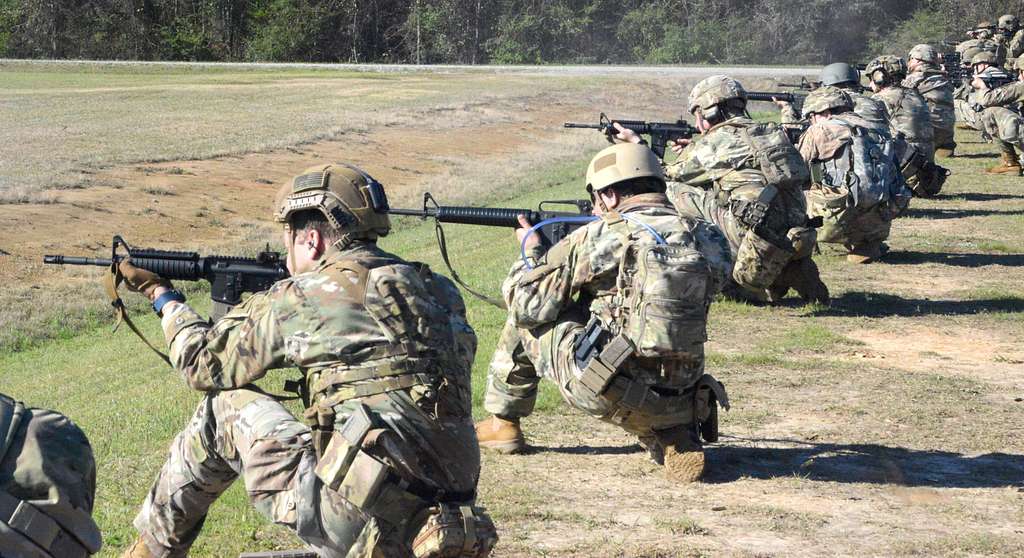
The modern battlefield has not replaced the rifle; it has transformed the way the rifle is used. Advances in optics, suppressors, ammunition technology, and digital systems have increased the effectiveness of individual soldiers, while drones and networked sensors have changed how infantry locate and engage threats.
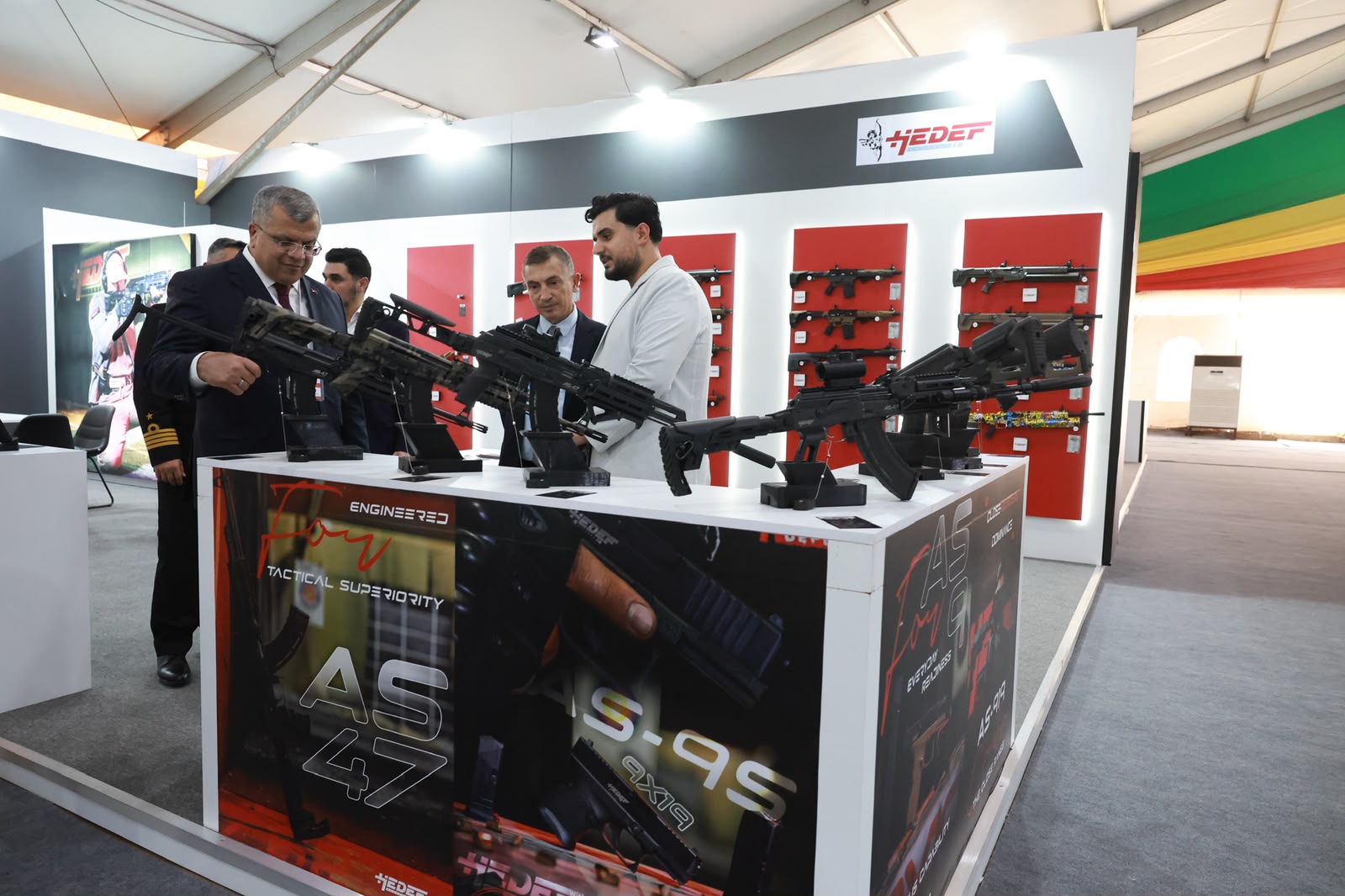
Traditional platforms such as the AK-47 remain widespread due to their reliability, simplicity, and ease of production. Meanwhile, Western militaries continue to develop advanced systems such as the M4A1, HK416, FN SCAR, and newer platforms like the SIG XM7, combining improved ergonomics, precision optics, and increased lethality.
Recent conflicts highlight a central lesson: technology enhances infantry capability, but it does not remove the need for well-equipped soldiers, effective small arms, and resilient ammunition supplies.
Historical Evolution: From Battle Rifles to Assault Rifles
The Rise of the Assault Rifle
During the Second World War, infantry weapons were dominated by bolt-action rifles and full-power cartridges. Although weapons such as the M1 Garand improved infantry firepower, combat revealed limitations in close-range engagements where controllable automatic fire was increasingly valuable.
Germany’s introduction of the StG 44 changed infantry weapon design by combining selective-fire capability with an intermediate cartridge. This concept created the foundation of the modern assault rifle: a weapon balancing range, mobility, and automatic firepower.
The Korean War continued this transition, reinforcing the importance of reliable weapons capable of operating in difficult environments. However, it was the Vietnam War that accelerated global adoption of the assault rifle.
The 5.56 mm and 7.62 mm Debate
The United States introduced the M16 rifle chambered in 5.56×45 mm NATO, prioritising lightweight ammunition and controllable automatic fire. However, early reliability problems affected confidence in the platform. In contrast, the Soviet AK-47 gained a reputation for extreme durability and simplicity.
By the Cold War, most militaries had adopted intermediate-calibre assault rifles. NATO largely standardised on 5.56 mm weapons, while Soviet forces introduced the AK-74 chambered in 5.45×39 mm.
Recent conflicts, particularly Ukraine, have challenged whether these cartridges remain suitable against modern body armour and longer engagement ranges. This has contributed to renewed interest in larger intermediate cartridges, including the U.S. Army’s 6.8×51 mm Next Generation Squad Weapon programme.
Lessons from Recent Conflicts
Ukraine: The Return of High-Intensity Warfare
The war in Ukraine has demonstrated that small arms remain essential even in an era dominated by drones and precision weapons.
Both Ukrainian and Russian forces continue to rely heavily on assault rifles, machine guns, and grenade launchers. However, the conflict has also exposed weaknesses in ammunition production capacity and defence supply chains.
The widespread use of commercial drones has changed infantry tactics. Small unmanned aerial systems now provide constant surveillance, identify targets, and direct artillery fire. Infantry units must therefore operate under the assumption that movement and firing positions may be detected rapidly.
The conflict has reinforced the importance of camouflage, concealment, mobility, and counter-drone capabilities alongside traditional infantry skills.
Gaza: The Importance of Organic Firepower
Urban combat in Gaza has highlighted the continuing importance of infantry firepower at the squad level.
Dense urban environments restrict visibility and limit the immediate availability of artillery or air support. As a result, infantry units require sufficient organic capability through rifles, machine guns, grenade launchers, and precision weapons.
Modern urban warfare rewards units capable of producing accurate and coordinated fire quickly. While drones and intelligence systems improve battlefield awareness, soldiers must still clear buildings, secure positions, and defeat enemy forces at close range.
Nagorno-Karabakh: Technology Supporting Infantry Operations
The 2020 Nagorno-Karabakh conflict demonstrated how emerging technologies influence traditional infantry combat.
Azerbaijan effectively combined drones, electronic warfare, precision strikes, and special operations forces to weaken Armenian defensive positions before ground assaults. Armenian forces, relying heavily on Soviet-era equipment, struggled against persistent aerial surveillance.
However, the conflict also demonstrated that technology alone does not eliminate the need for infantry. When drones were limited by terrain, weather, or electronic warfare, success still depended on soldiers equipped with reliable rifles and effective tactics.
Modern Infantry Weapon Development
Suppressors and Signature Reduction
Suppressors have increasingly moved from specialist equipment to standard infantry accessories.
Their advantages extend beyond noise reduction. By reducing muzzle flash and acoustic signatures, suppressors make it harder for enemy forces to identify firing positions, particularly during night operations.
Modern suppressors improve communication, reduce battlefield confusion, and increase survivability. Their disadvantages, including additional weight, heat generation, and maintenance requirements, are increasingly being addressed through improved designs.
Optics and Digital Fire Control
One of the most significant developments in infantry capability has been the widespread adoption of advanced optics.
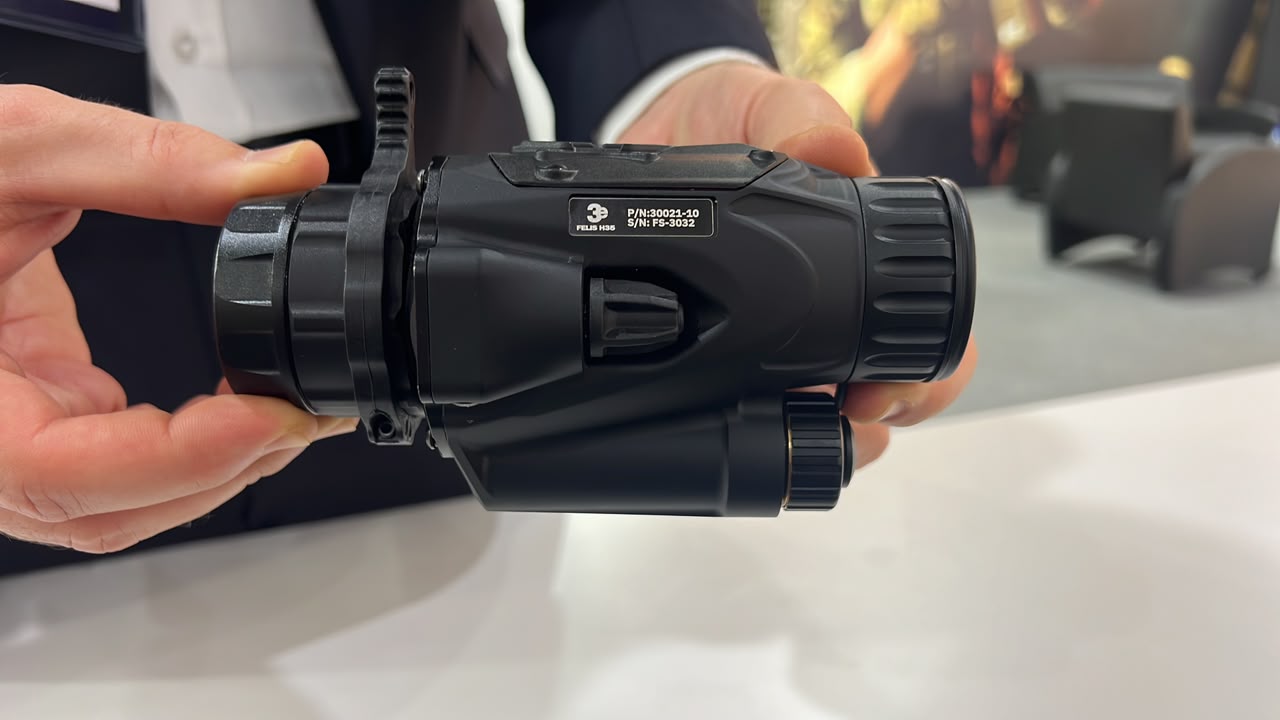
Red-dot sights, magnified optics, thermal imaging, and integrated fire-control systems improve target identification, engagement speed, and first-round accuracy.
Modern infantry effectiveness increasingly depends less on simply producing large volumes of fire and more on delivering accurate, coordinated engagements.
Ammunition: The Search for Greater Lethality
Future Calibres
The effectiveness of traditional intermediate cartridges is being reconsidered due to advances in body armour and increased engagement distances.
New systems such as 6.5 mm and 6.8 mm cartridges aim to provide improved penetration, greater range, and increased energy while maintaining manageable recoil.
However, changing military calibres is a complex process. Existing ammunition stockpiles, manufacturing infrastructure, and NATO standardisation mean that transitions will occur gradually.
Lightweight Ammunition Technology
Reducing soldier load has become a major priority. Modern infantry already carry body armour, communications equipment, batteries, medical supplies, and night-vision devices.
Polymer-cased and cased-telescoped ammunition could significantly reduce ammunition weight. Programmes such as the U.S. Lightweight Small Arms Technologies project have demonstrated potential weight reductions while maintaining ballistic performance.
These developments could allow soldiers to carry more effective ammunition without increasing physical burden.
The Drone Revolution and Infantry Adaptation
Small unmanned aerial systems have become one of the defining features of modern warfare.
Commercial quadcopters are now used for reconnaissance, artillery adjustment, and direct attacks. This has forced infantry units to develop new defensive methods.
Counter-drone approaches include:
- Electronic warfare systems
- Radio-frequency jammers
- Camouflage and concealment measures
- Portable detection systems
- Conventional weapons and specialised shotgun ammunition
The rise of drones has not reduced the importance of small arms; instead, it has increased the need for infantry units to combine traditional weapons with modern technology.
Manufacturing and Defence Industry Challenges
Recent conflicts have highlighted the importance of industrial capacity.
Ukraine’s demand for millions of rounds of ammunition exposed weaknesses in global production capabilities. Modern militaries require not only advanced weapons but also the ability to manufacture and replace them during prolonged conflicts.
Many countries are expanding domestic production of rifles, ammunition, optics, and critical components to reduce dependence on vulnerable supply chains.
At the same time, additive manufacturing and 3D printing create new challenges. While these technologies improve repair and production capabilities, they also increase concerns regarding illegal weapon manufacturing and proliferation.
Future Infantry Organisation
The infantry squad of the future will likely become more technologically integrated.
Traditional riflemen will increasingly operate alongside:
- Small drone operators
- Electronic warfare specialists
- Advanced communications systems
- Precision weapons
- Improved surveillance equipment
However, the fundamental structure of infantry combat will remain familiar. Soldiers must still apply firepower, manoeuvre, and leadership to defeat opposing forces.
Technology will enhance the squad, but it will not replace the human element.
Key Lessons for Future Military Planning
Maintain Reliable Small Arms Capability
Despite advances in technology, rifles, machine guns, ammunition, and training remain essential.
Military planners must avoid focusing exclusively on emerging technologies while neglecting basic infantry requirements.
Improve Soldier Protection and Mobility
Future infantry equipment must balance protection with mobility. Heavy equipment improves survivability but reduces endurance.
Lightweight weapons, improved ammunition, and modular systems will remain priorities.
Expand Counter-Drone Capabilities
Every modern infantry force requires effective methods to detect and defeat small drones.
Counter-UAS training and equipment must become standard elements of infantry doctrine.
Strengthen Defence Production
Recent conflicts demonstrate that industrial capacity is a strategic advantage.
Countries must maintain sufficient manufacturing capability for weapons, ammunition, and critical components to sustain prolonged operations.
Conclusion
Modern warfare is increasingly shaped by drones, artificial intelligence, and precision technologies, but recent conflicts demonstrate that infantry small arms remain fundamental.
The rifle has not become obsolete; it has evolved. Modern weapons are lighter, more accurate, and increasingly connected to digital battlefield systems. Suppressors, advanced optics, improved ammunition, and counter-drone technologies are transforming how infantry operates.
However, the essential principles of warfare remain unchanged. Territory is ultimately seized and defended by soldiers who can manoeuvre, apply effective firepower, and sustain operations.
The battlefield of the future will be more technological, but the final outcome will still depend on the infantry soldier carrying a reliable weapon.

Muhammad Ismail Mir
The author is a UK-based small arms expert and geopolitical analyst.