
South Asia’s security landscape is undergoing a significant transformation as geopolitical competition, emerging technologies, and non-traditional security challenges reshape regional stability. From the evolving strategic relationships between major powers to the growing influence of artificial intelligence, cybersecurity, and maritime security, the region faces increasingly complex challenges that demand comprehensive policy responses.
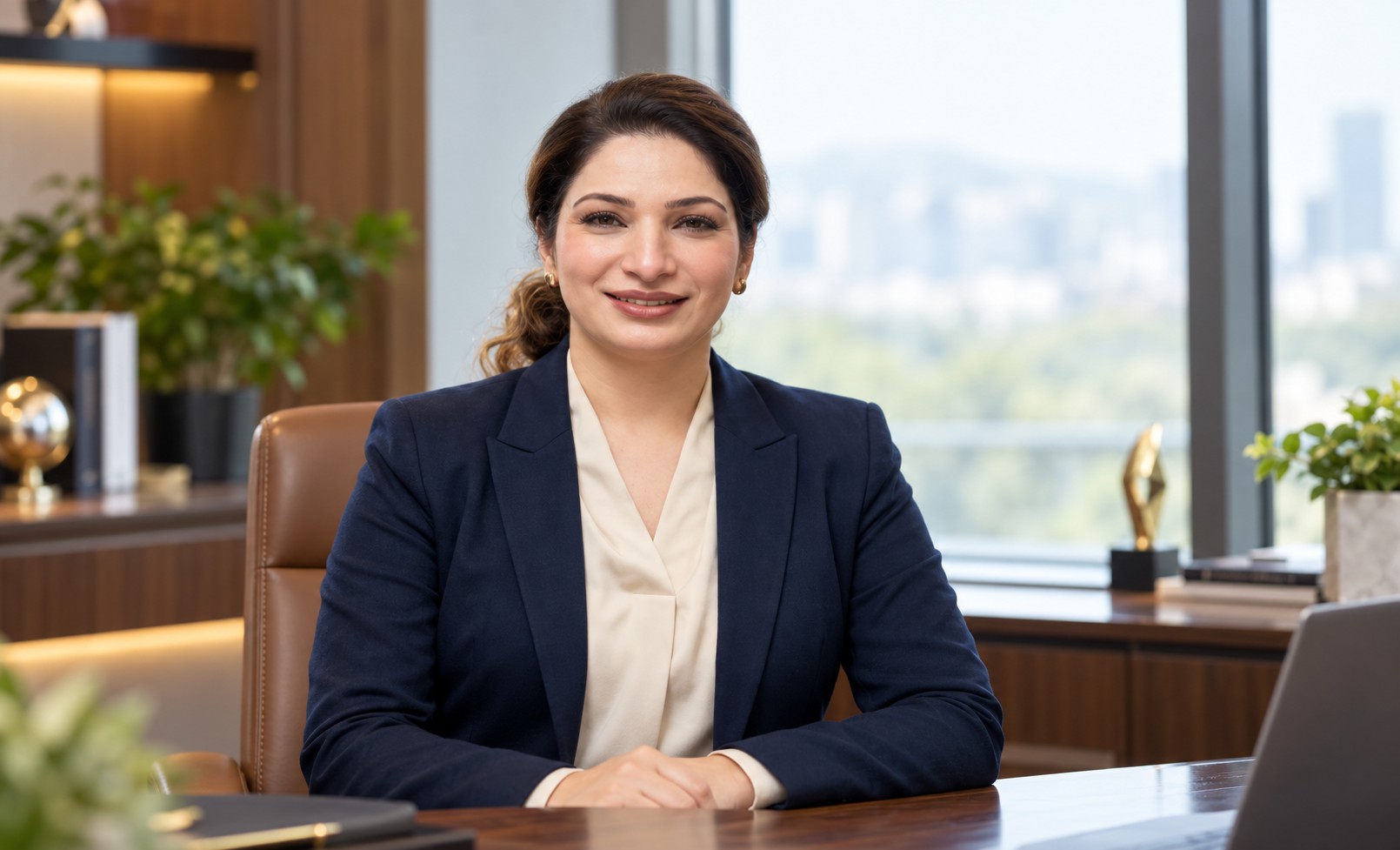
In an exclusive interview with Global Defense Insight (GDI), Dr. Saira Abbasi, Head of the Department of International Relations and Associate Professor at Bahria University, shares her perspectives on South Asia’s changing security environment, nuclear deterrence, crisis management, and the role of emerging technologies in strategic decision-making. Speaking with Ayela Malik, she also highlights the importance of academic research, confidence-building measures, regional cooperation, and preparing the next generation of security professionals to address emerging threats.
Q1. From your experience as an International Relations scholar and policy analyst, how would you describe the major changes in South Asia’s security environment over the past decade?
Over the past decade, South Asia has moved from localized conflict management into a prominent theatre of global power competition. The strengthening of the China-Pakistan Strategic Partnership alongside the expanding US-India defence technology agreements has deeply interconnected regional stability with broader Indo-Pacific rivalry.
Simultaneously, traditional security paradigms have been disrupted by grey-zone operations, cyber offensive capabilities, and maritime security shifts across the Indian Ocean. Security is no longer solely contested at terrestrial borders like the Line of Control, but across critical sea lines of communication and technological supply chains.
Q2. South Asian security has traditionally been viewed largely through the lens of conventional and nuclear competition. How are emerging challenges changing this traditional understanding of security?
While conventional military capabilities and nuclear deterrence remain important to South Asian security, the region is increasingly facing a wider range of non-traditional security challenges. These include climate related disasters, water security concerns, cyber threats, public health emergencies, economic pressures, energy insecurity, and vulnerabilities affecting critical infrastructure. Such challenges can have significant implications for national and regional stability even when they are not directly military in nature.
Climate change and water related challenges are particularly important in South Asia because several countries share major river systems and remain vulnerable to floods, droughts, and other environmental pressures. Similarly, disruptions to energy supplies, digital infrastructure, trade routes, and essential services can affect economic and social stability. This broader understanding of security suggests that policymakers need to consider both traditional defence concerns and emerging vulnerabilities when developing regional security policies.
Q3. How do emerging technologies, particularly Artificial Intelligence and autonomous systems, affect strategic stability and decision making between states in a region such as South Asia?
In South Asia, the influence of Artificial Intelligence is likely to be most visible in areas such as intelligence analysis, surveillance, early warning, cyber security, border monitoring, and military decision support. AI can help process large volumes of information and identify patterns more quickly, which may assist policymakers and security institutions in assessing emerging threats. At the same time, these technologies are also developing in civilian areas such as healthcare, education, disaster management, and public administration, where they can contribute to broader national security and societal preparedness.
In the military and strategic context, autonomous systems such as unmanned aerial vehicles and other remotely operated platforms may increasingly support surveillance, reconnaissance, and border monitoring rather than independently making sensitive strategic decisions. For South Asian states, the key issue is therefore not simply whether AI will replace human decision making, but how these technologies can be responsibly integrated while ensuring appropriate human oversight, reliable information, and careful communication during periods of tension.
Q4. In a region characterized by longstanding political tensions and nuclear deterrence, what factors can increase the risk of miscalculation or unintended escalation during a crisis?
The primary driver of miscalculation is the absence of real-time diplomatic communication combined with severe intelligence asymmetries during high-stakes standoffs. Deepening political impasse, coupled with sensationalized digital media coverage, creates domestic political pressure that restricts diplomatic flexibility for state leaders.
Moreover, technological advances such as dual-capable missile systems and compressed response times blur the line between conventional defense and strategic nuclear signaling. Misinterpreting a limited defensive deployment as an existential strike during a crisis could rapidly cross escalation thresholds.
Q5. As a policy analyst and researcher, how important is the connection between academic research and policymaking when responding to emerging national security challenges?
Academic research provides the empirical rigor, strategic foresight, and historical depth necessary to prevent short-sighted, reactive policy choices. When defence and intelligence institutions operate in isolation from scholarly analysis, state policies risk misdiagnosing underlying structural shifts in international order. Establishing formal linkages between security think tanks, academic departments, and defence ministries enables rigorous scenario testing and policy evaluation. Academics provide an objective platform to analyse long-term technological and geopolitical trends before critical policy decisions are finalized.
Q6. What role can confidence building measures, strategic dialogue, and regional cooperation play in reducing security risks between South Asian states?
Institutionalized Confidence Building Measures (CBMs) and back-channel communication protocols are essential risk-reduction mechanisms during severe political deadlocks. Maintaining operational military hotlines, missile test notifications, and agreements against targeting critical infrastructure helps stabilize crisis moments.
Beyond traditional defence CBMs, institutional cooperation on shared non-sensitive challenges such as climate change adaptation, disaster management, and maritime search-and-rescue can re-establish essential baseline trust. Consistent dialogue fosters diplomatic predictability and reduces structural mistrust.
Q7. Looking ahead, what should policymakers and the next generation of security professionals prioritize to address South Asia’s evolving security challenges while preserving regional strategic stability?
Policymakers must prioritize establishing updated bilateral and multilateral frameworks tailored specifically to emerging security domains, including cyber capabilities, outer space assets, and AI-enabled weapons. Modernizing crisis-management infrastructure and promoting cross-domain strategic clarity are imperative for long-term regional stability.
For young security analysts, the priority must be cultivating interdisciplinary expertise that blends national defence strategy with cyber policy, international law, and emerging technology governance. A comprehensive grasp of global geopolitical realignments will be vital to navigating South Asia’s complex future.

Ayela Malik
Ayela Malik is an International Relations graduate from Bahria University, Islamabad, Pakistan. Her research interests span international security, defence and strategic affairs, artificial intelligence and nuclear security, strategic stability, peace and conflict studies, and foreign policy.
Her undergraduate research examined the implications of artificial intelligence and automation risks for nuclear security and strategic stability in South Asia, particularly within the India–Pakistan strategic environment.
Through her internship with Global Defense Insight (GDI), she has engaged with defence-related developments, international affairs, and policy-oriented research. Her broader interests lie at the intersection of emerging technologies, strategic thinking, and global security, with an emphasis on connecting rigorous research with policy analysis and informed international decision-making.
Her approach is guided by a commitment to connecting global affairs, strategic thinking, and emerging security challenges.