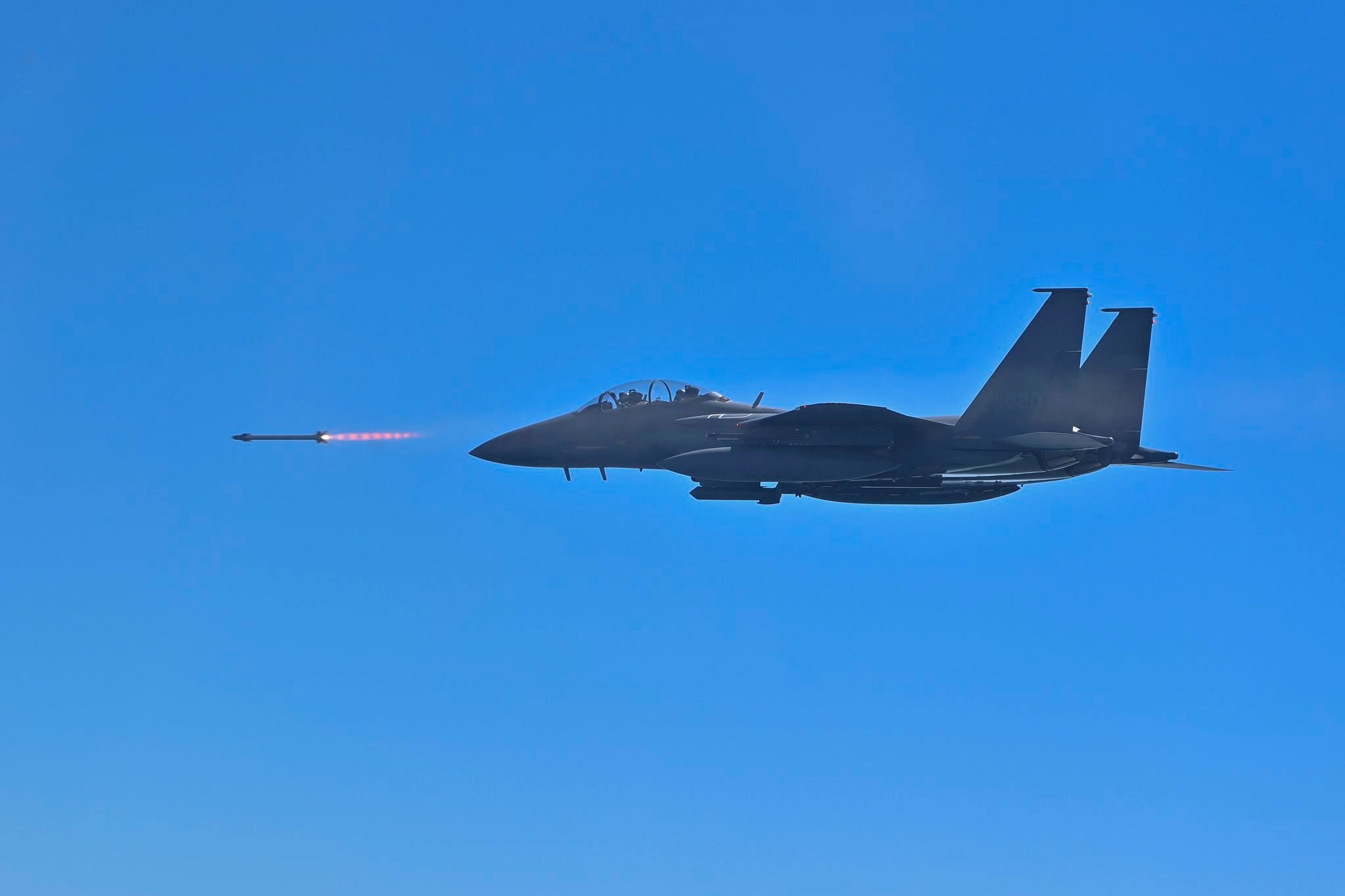

South Korea’s rise as a major arms exporter has been one of the most remarkable strategic success stories of the past twenty years. Once heavily dependent on foreign suppliers such as the United States and Germany, South Korea is exporting advanced military systems across Europe, the Middle East, and the Indo-Pacific. Weapons such as the K2 tank, K9 howitzer, FA-50 light attack aircraft, and advanced air defense systems have earned South Korea a reputation for producing high-quality equipment that combines proven capabilities with delivery schedules that many Western competitors struggle to match.
Nevertheless, while Seoul laid out an ambitious plan to become the world’s fourth-largest arms exporter by 2030, an increasingly difficult challenge is emerging. As North Korea—South Korea’s existential threat—modernizes its conventional forces while expanding nuclear capabilities, Seoul should ensure that its arms export success does not come at the expense of its own military preparedness.
As global demand for South Korean weapons continues to increase, this dilemma is deepening. While large-scale export deals generate economic benefits and help maintain production lines, they consume the very industrial production capacity needed to support the Republic of Korea Armed Forces.
The Ukraine War demonstrated that industrial production capabilities are equally important as the immediate outcomes on the day-to-day battlefield. Modern warfare consumes massive amounts of ammunition, missiles, drones, spare parts, and replacement equipment. Any country that cannot rapidly replenish stockpiles would soon be placed in a disadvantageous position no matter how advanced its military systems may be.
The lesson is highly relevant to South Korea. It is likely that North Korea have gained invaluable insights from Russia’s Ukraine War experience, especially in the fields of drone warfare, electronic warfare, battlefield networking, and the integration of unmanned systems into conventional operations. If these new capabilities are effectively combined, South Korea’s effort to strengthen the Three-Axis System, especially the Korea Air and Missile Defense (KAMD), would require a greater number of interceptors to preserve the current level of deterrence. At the same time, the recent surge in demand for interceptors including Cheongung-II in the Middle East, is expected to absorb a substantial portion of South Korea’s future arms production capacity.
This pressure is likely to be felt most acutely in ammunition, interceptors, drones, spare parts, and core components rather than in major platforms alone. A future conflict on the Korean Peninsula would likely demand massive amounts of artillery rounds, interceptor missiles, anti-tank weapons, and drones in the early phase of the conflict. At the same time, domestic procurement needs would compete with export commitments for the same factories, engineers, and supply chains. A simultaneous dual contingency in Taiwan and the Korean Peninsula would place even greater strain on allied stockpiles and defense-industrial supply chains.
Rather than viewing exports and domestic preparedness as competing priorities, Seoul should treat industrial production capacity itself as a strategic asset. Expanding production lines, increasing ammunition stockpiles, and establishing dedicated production capabilities for wartime surges should be national priorities. Major export decisions should be accompanied by evaluations of their impact on domestic readiness, while strategic reserves of crucial weapons and ammunition should be significantly expanded.
The United States should also play a role. Washington is increasingly recognizing South Korea as an important defense industrial partner, particularly so when concerns are growing that military operations might need to be simultaneously sustained in both the European and Indo-Pacific theaters. Greater co-production of ammunition, missiles, and unmanned systems would reinforce alliance resilience and reduce the strain on South Korean production lines at the same time.
Japan, too, should view South Korea’s defense industry as a strategic opportunity, and not as a mere competitor. While Tokyo increases its defense budget and enters the global arms market, both countries would share a common interest in strengthening regional deterrence, faced with emerging regional threat originated by China and North Korea. Cooperation in areas such as missile defense, counter-drone technology, ammunition production, and supply chain security would enhance both countries’ capabilities to withstand large-scale regional crises.
South Korea’s ambition to become a leading arms exporter is both realistic and desirable. A stronger defense industry would facilitate economic growth, technological innovation, and international influence. However, success in exports alone cannot be the ultimate criterion for evaluating strategic achievements.
The real test hinges on whether South Korea can supply arms to foreign partners while maintaining adequate military preparedness against an increasingly capable North Korea. In an era where geopolitical uncertainty is growing, the goal should not simply be to become one of the largest arms exporters. It should be to become the world’s most resilient defense industrial power.

Dr. Ju Hyung Kim serves as President of the Security Management Institute, a defense-focused think tank affiliated with South Korea’s National Assembly. He has contributed to numerous defense initiatives and has advised key institutions, including the Republic of Korea Joint Chiefs of Staff.